


13.11.2026
»ALPA was the first luxury alternative«
Swiss collector Werner Bosshard on ALPA’s place in the history of photography
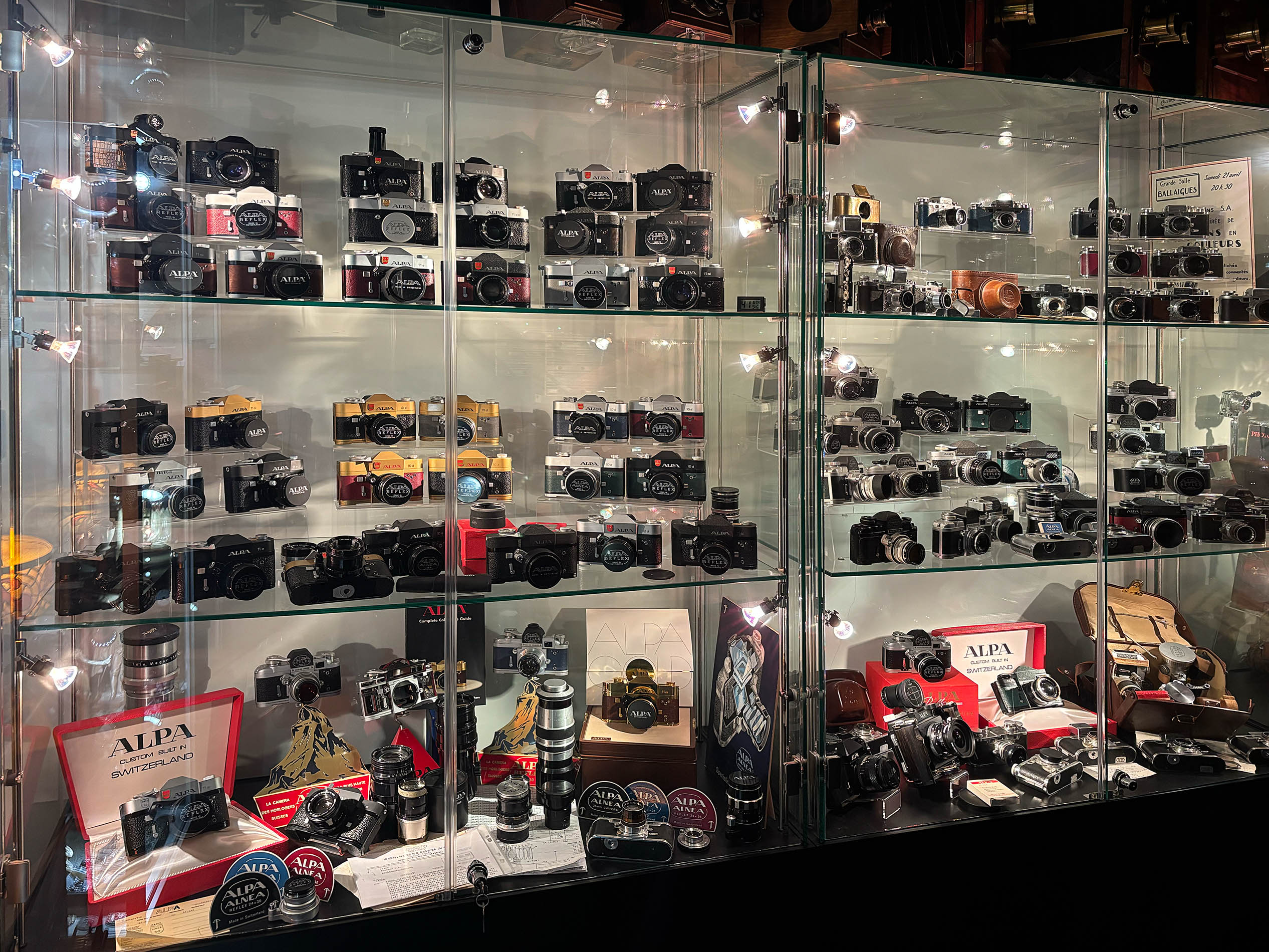
Swiss collector Werner Bosshard, born in 1952, has devoted his life to collecting and preserving the history of photography. His collection includes historic Swiss cameras dating back to the 1840s and includes a complete set of historic ALPA models from the era when the brand was still part of Pignons S.A., the Swiss precision-engineering company that originally supplied components to the watch industry. In this interview, Bosshard explains why ALPA still fascinates him today and what makes these cameras so exceptional in his eyes.
Mr Bosshard, you are considered one of Switzerland’s leading experts on the history of photography. Your private collection ranges from some of the earliest photographic apparatus of the 1840s to cameras from the 1950s. But one marque stands above all others for you: ALPA. What place does the brand hold for you in the history of photography?
ALPA was the first luxury alternative to market leader Leica, built with the precision and craftsmanship associated with Swiss watchmaking. It was bought by a very particular clientele, people who understood how to appreciate such a mechanical masterpiece.
Do you remember how you first became aware of ALPA and what fascinated you about the brand?
I was passionate about photography from a very young age. I trained as a reproduction photographer and soon began collecting as well. My first great passion was the daguerreotype, the earliest commercially viable form of photography. In the daguerreotype process, an image is captured by light on a silver-plated copper sheet that has been made light-sensitive. Daguerreotypes are, in many ways, the origin of the visual world we know today.
Even then, I knew that as a collector I had to set myself limits. Otherwise, my enthusiasm for photography would eventually have become boundless. So I initially concentrated on daguerreotypes depicting subjects from Switzerland. Today, I own more than 2,000 of them. Each one is a unique window into the 19th century. Eventually, my fascination with the images led me to the tools with which they had been created: the cameras themselves. And once again, I quickly realised that I wanted to specialise in cameras made in Switzerland.
»Owning an ALPA was something I could only dream of«
And that is how you eventually came across ALPA?
Exactly. I was fascinated by these cameras from the very beginning. But as a young man, owning an ALPA myself was something I could only dream of. At the time, ALPA was still producing 35mm cameras, each one made by hand with extraordinary care. A camera like that cost around 3,600 Swiss francs. That was four times my monthly salary as an apprentice.
When were you finally able to buy your first ALPA? Do you remember which model it was?
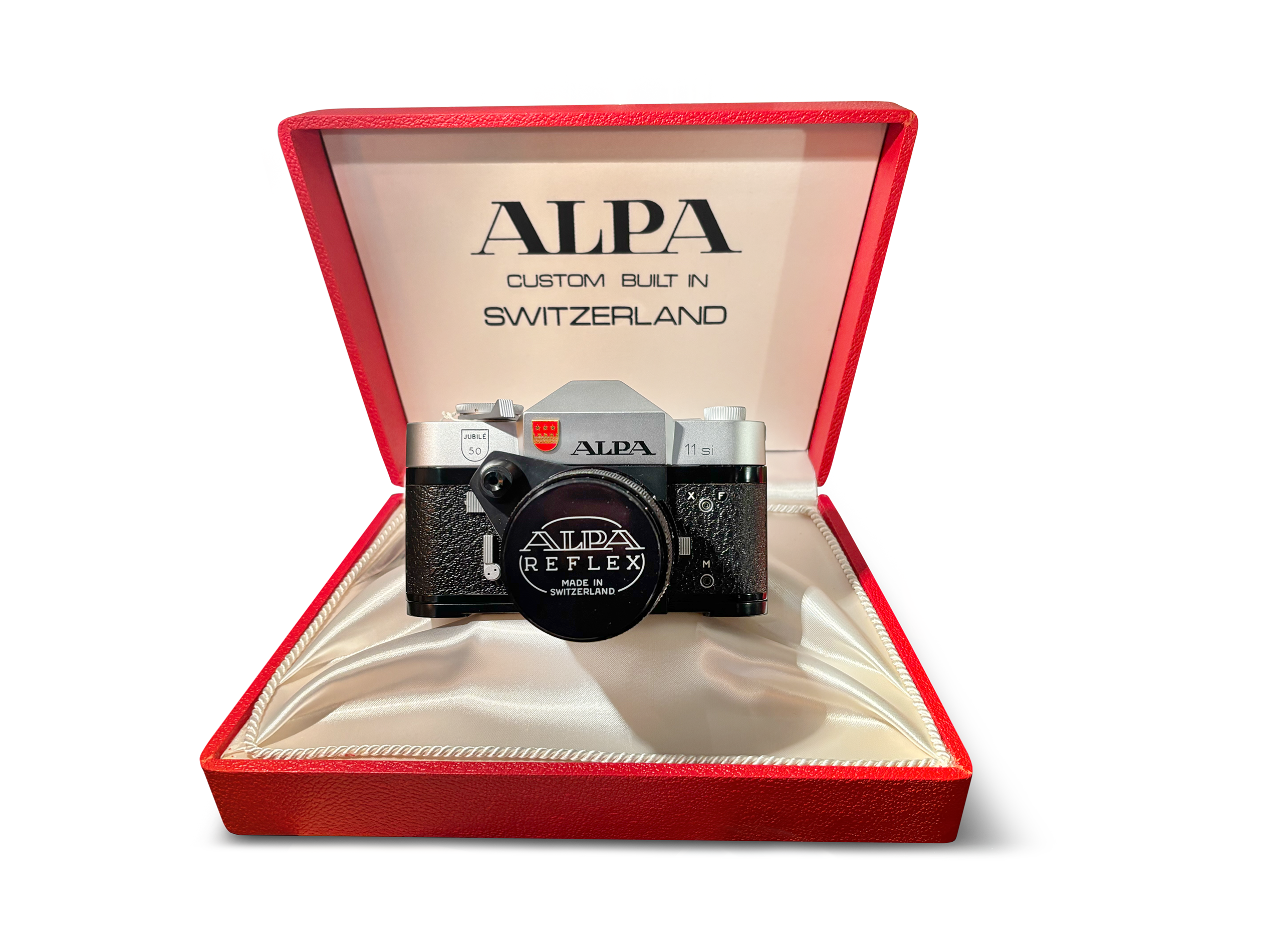
In 1980. It was a black ALPA 11si, which I bought from a specialist dealer.
In your view, what distinguishes ALPA from other camera systems?
ALPA has its roots in the Swiss watchmaking industry, more precisely in Pignons S.A., a company that originally manufactured highly precise mechanical components for watches. That heritage distinguishes the brand from German and Japanese camera manufacturers such as Leica, Canon or Nikon.
When the watch industry came under pressure during the Great Depression in the 1930s, Pignons began moving into camera production. But the company retained the same standards of precision it had developed through watchmaking.
The cameras were made by hand in extremely small numbers. Just imagine: over almost 50 years, Pignons produced only around 45,000 ALPA cameras. By comparison, almost five times as many Leica M3 cameras were produced in just 13 years. If you take apart a historic ALPA, you immediately understand why. Every individual part, every tiny component, is a masterpiece of craftsmanship.
»ALPA’s engineers always had an enormous drive to innovate«
You have studied ALPA’s individual models and production history in great depth. Looking at the development of the brand over the decades, which model or technical development represented the decisive turning point for ALPA in your view, and why?
ALPA’s engineers always had an enormous drive to innovate. They constantly wanted to explore new technical directions. Sometimes, however, they also went a little too far.
They developed, for example, specialised cameras for timekeeping at the Olympic Games, underwater cameras and cameras designed for use in operating theatres. They were almost obsessed with finding a technical solution for every conceivable specialist application. But these developments consumed enormous resources and cost a great deal of money. On top of that came an ever-growing number of special editions, including cameras plated in 24-carat gold for collectors. As fascinating as this spirit of experimentation was, it was not always economically sensible.
If you had to choose a single camera from the entire history of ALPA that best embodies the character of the brand, which one would it be, and what makes that particular model so special?
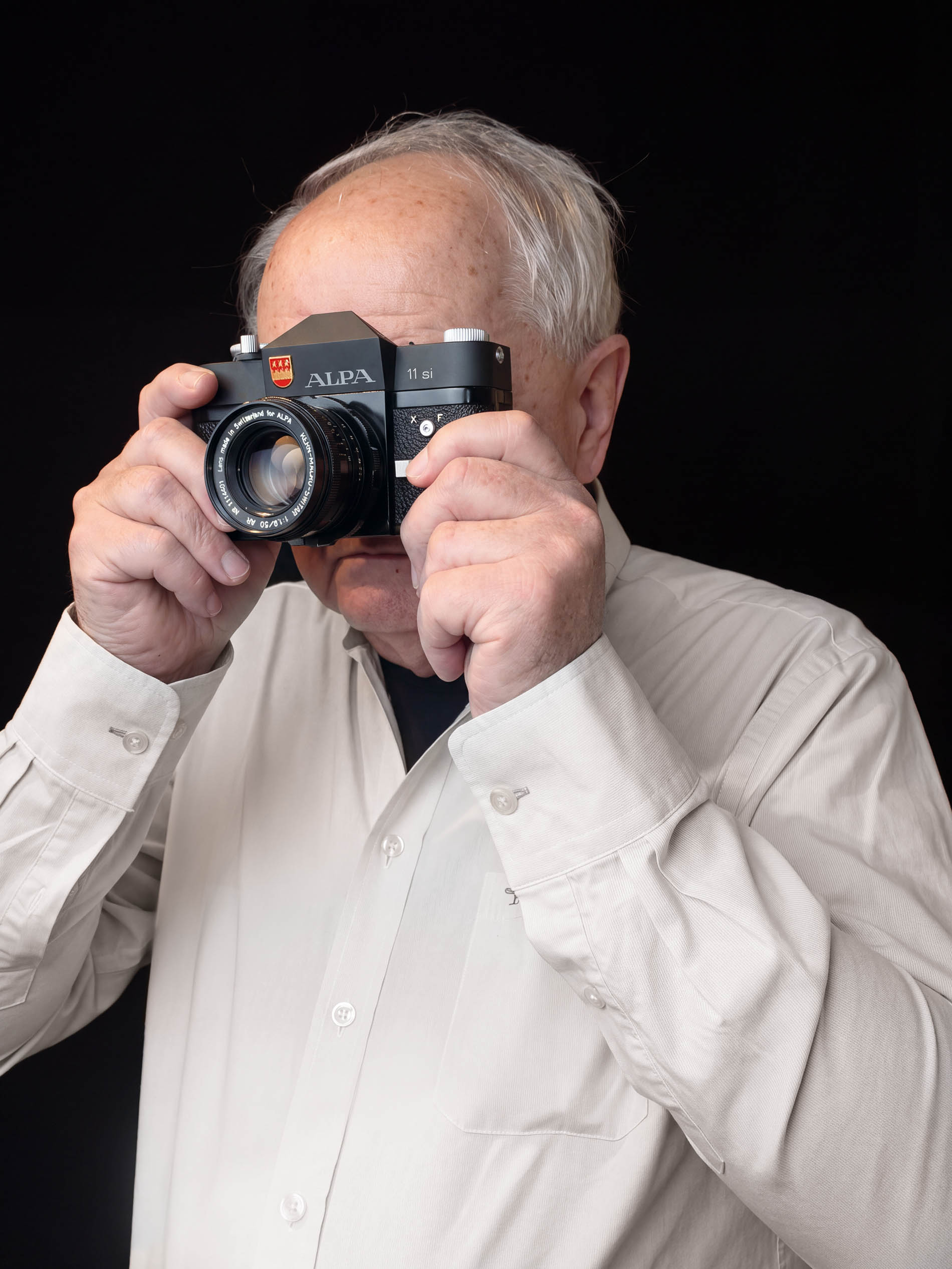
For me, it is very clearly the matt-black ALPA 11si from the final generation. It embodies everything that makes ALPA so special to me: purist design, technical perfection and exceptional craftsmanship. At ALPA, design was never something added afterwards around the technology. Both were always equally important. Form and function were conceived as one. And in my view, the 11si represents that philosophy particularly well. I own more than ten examples of this model. I still use one of them regularly. You know, with a camera like this, it is almost like being in a love affair. At some point, you fall for it and you never really get over it. And whenever I am out with my ALPA, people constantly ask me about it: »What kind of camera is that? ALPA? Never heard of it.« Most people today no longer realise what an important piece of Swiss industrial history lies behind that name.


Links
Related Photographers

Related Media Assets
Related Products
Galleries
Überlandstrasse 241
8600 Dübendorf
Switzerland
Phone: +41 44 383 92 22
@2026 all rights reserved

PRECISION MEASURED IN MICRONS. PASSION MEASURED IN DECADES