


28.02.2026
ALPA Heritage
Sometimes, the future of photography is an echo of its past.
ALPA Heritage - Sometimes, the future of photography is an echo of its past.
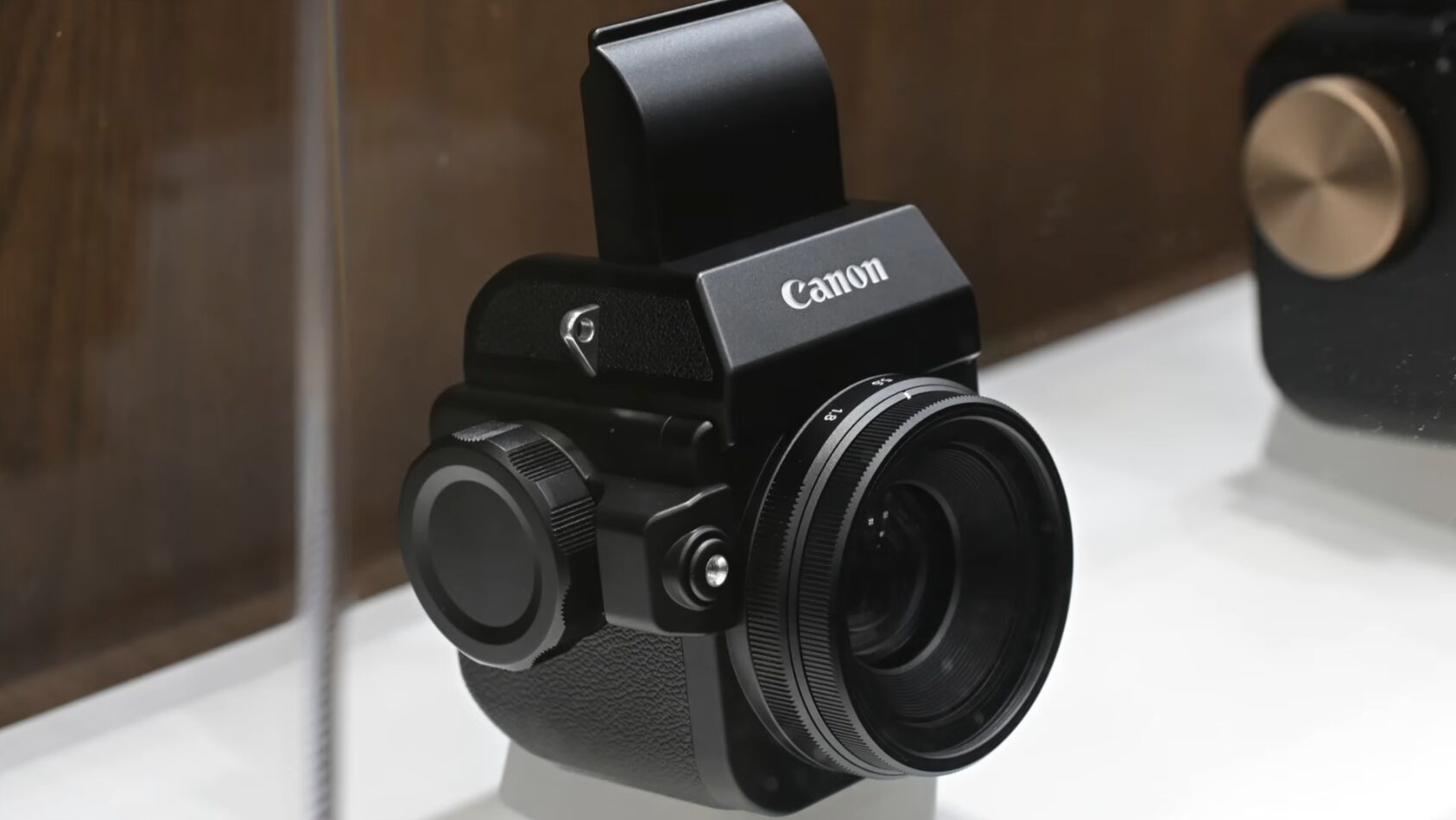
Over the past 24 hours, the photography world has been buzzing about Canon’s waist-level concept camera shown at CP+ 2026. A compact, tactile study with physical dials and a viewfinder that asks you to look down, not at a screen.
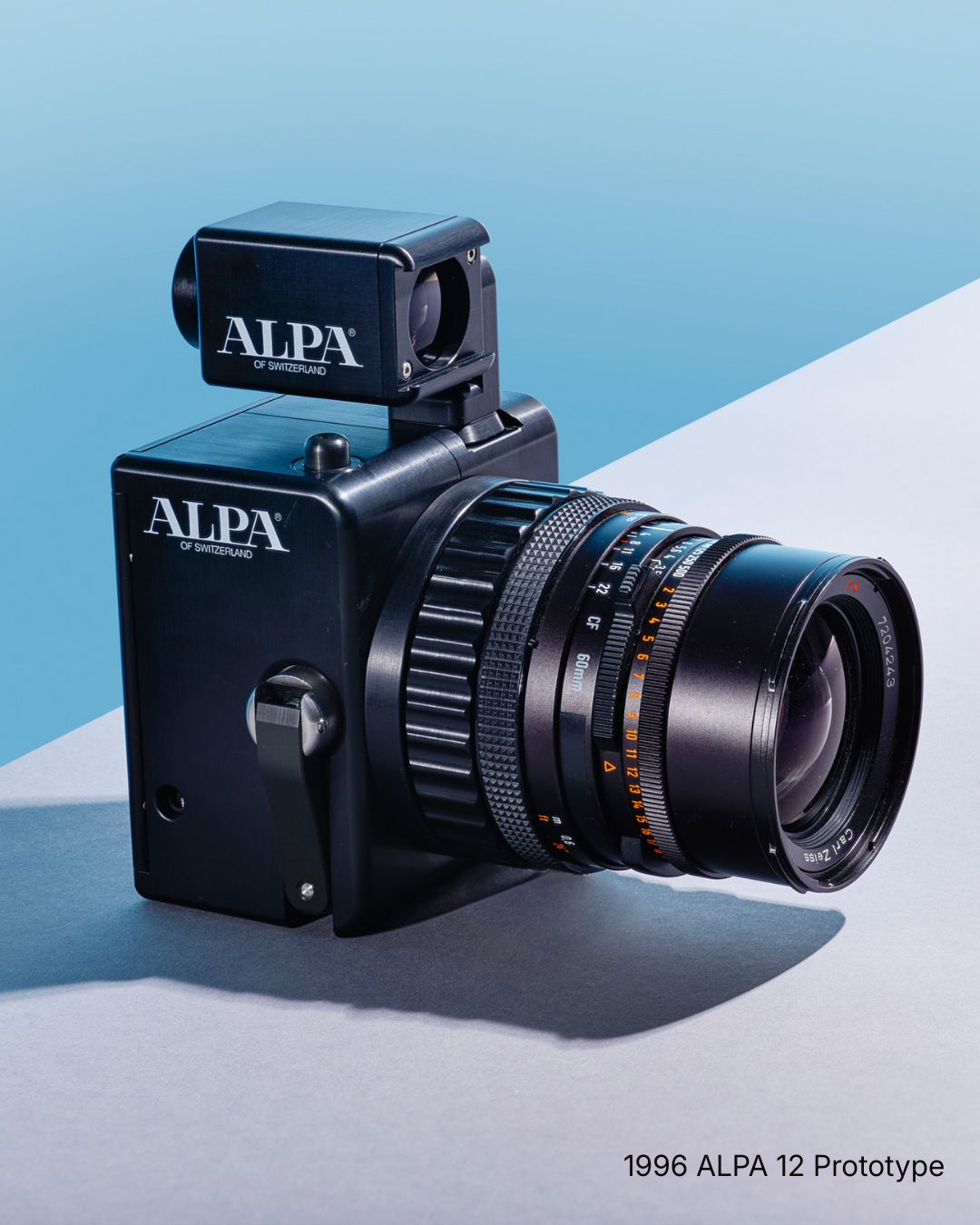
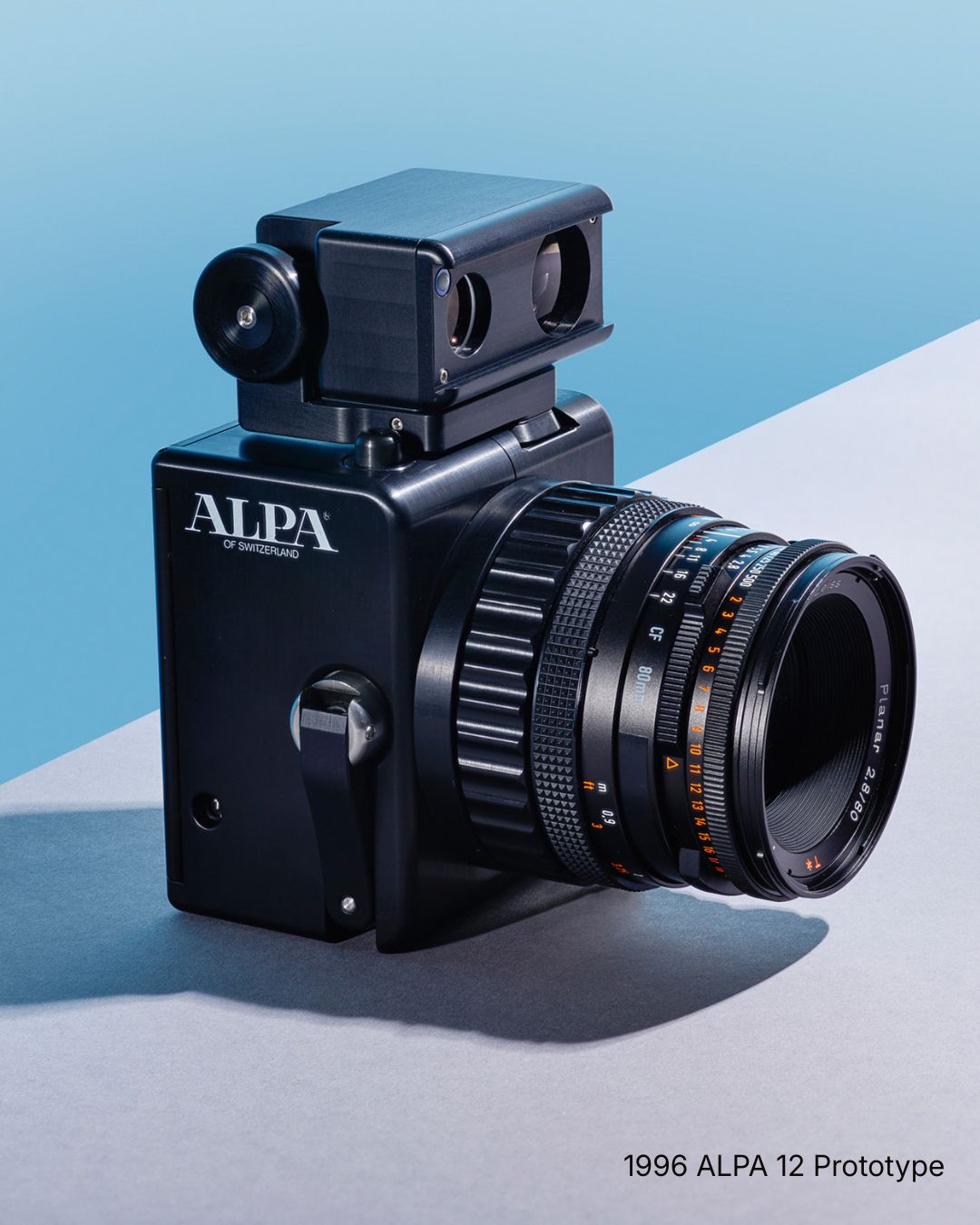
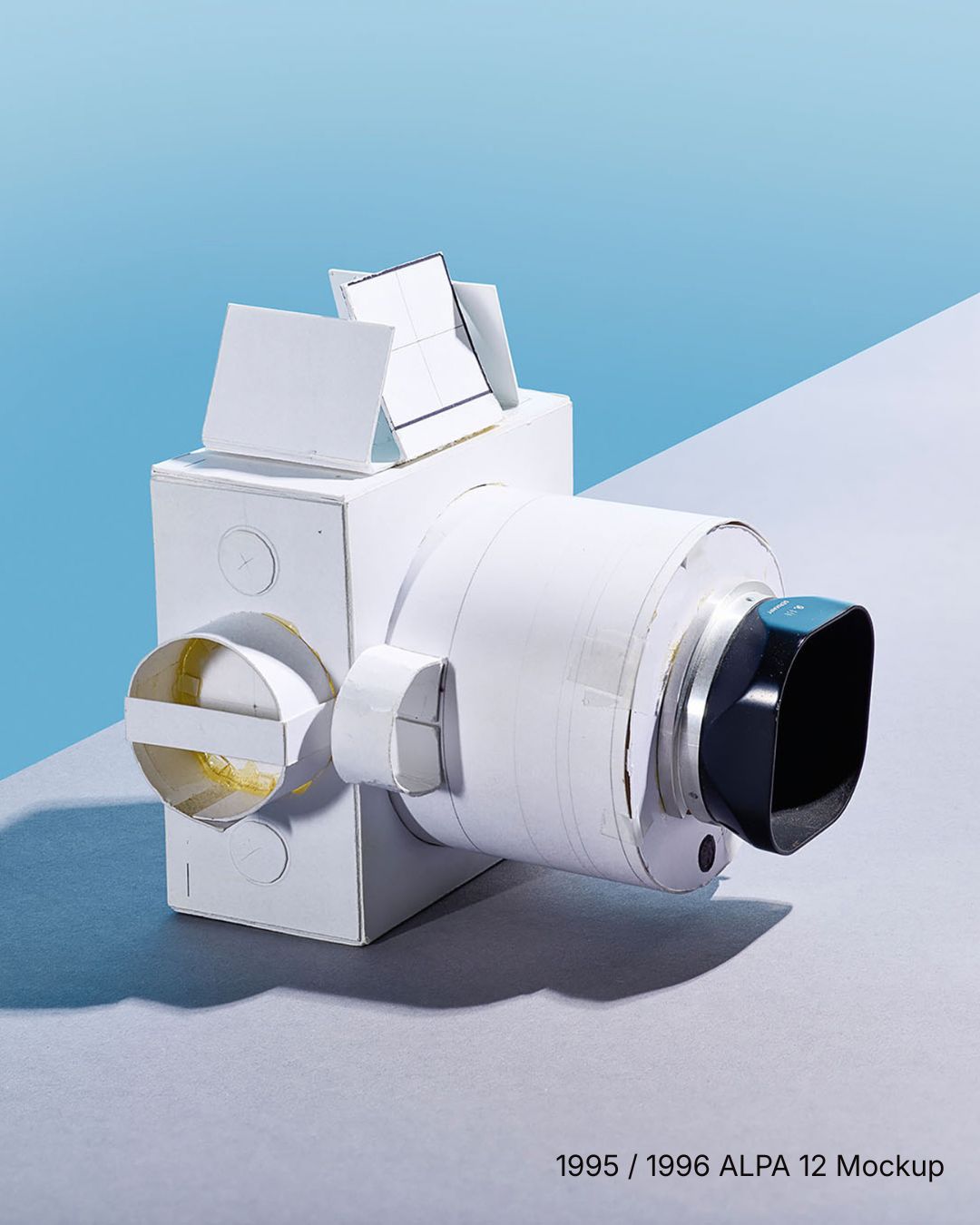
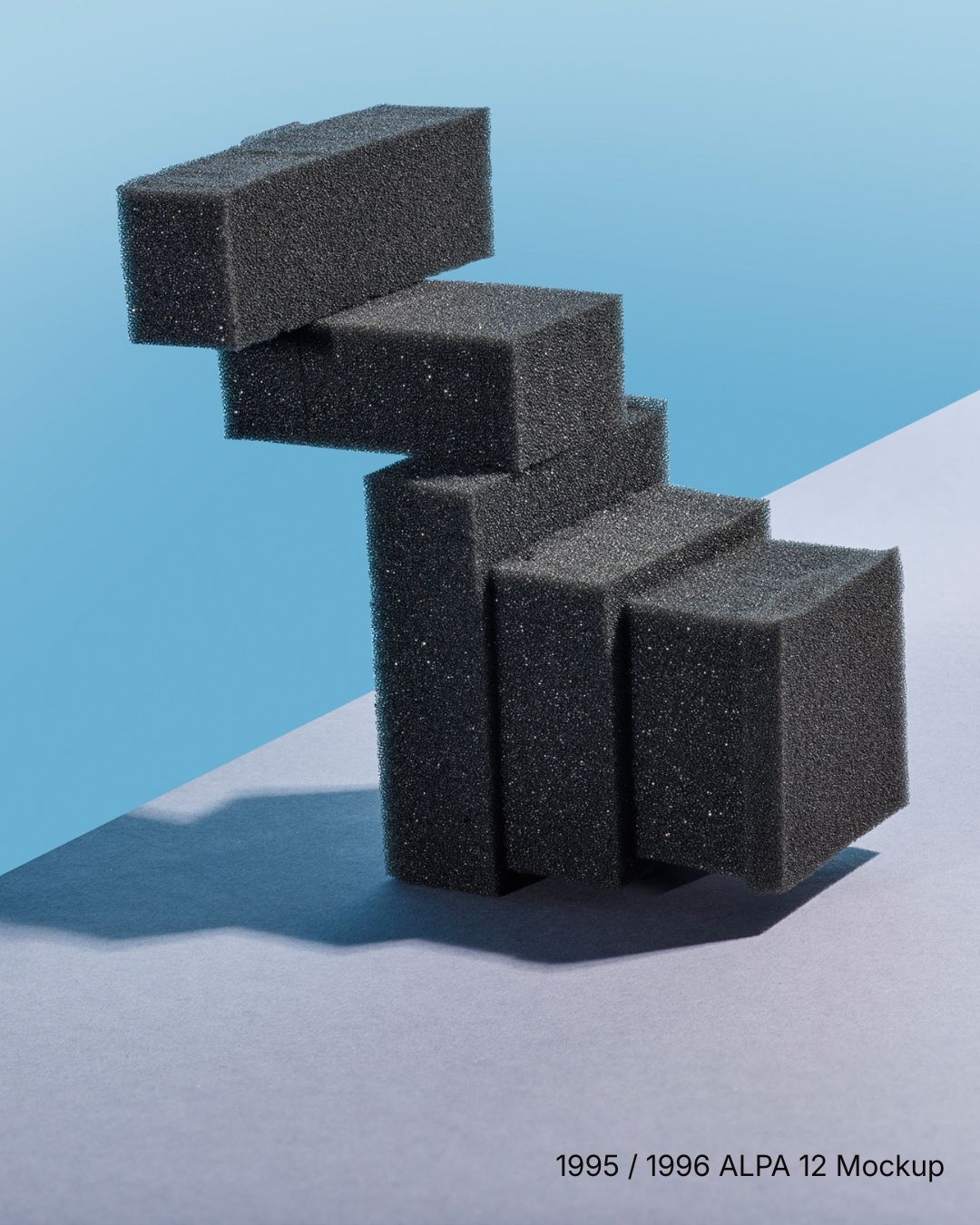
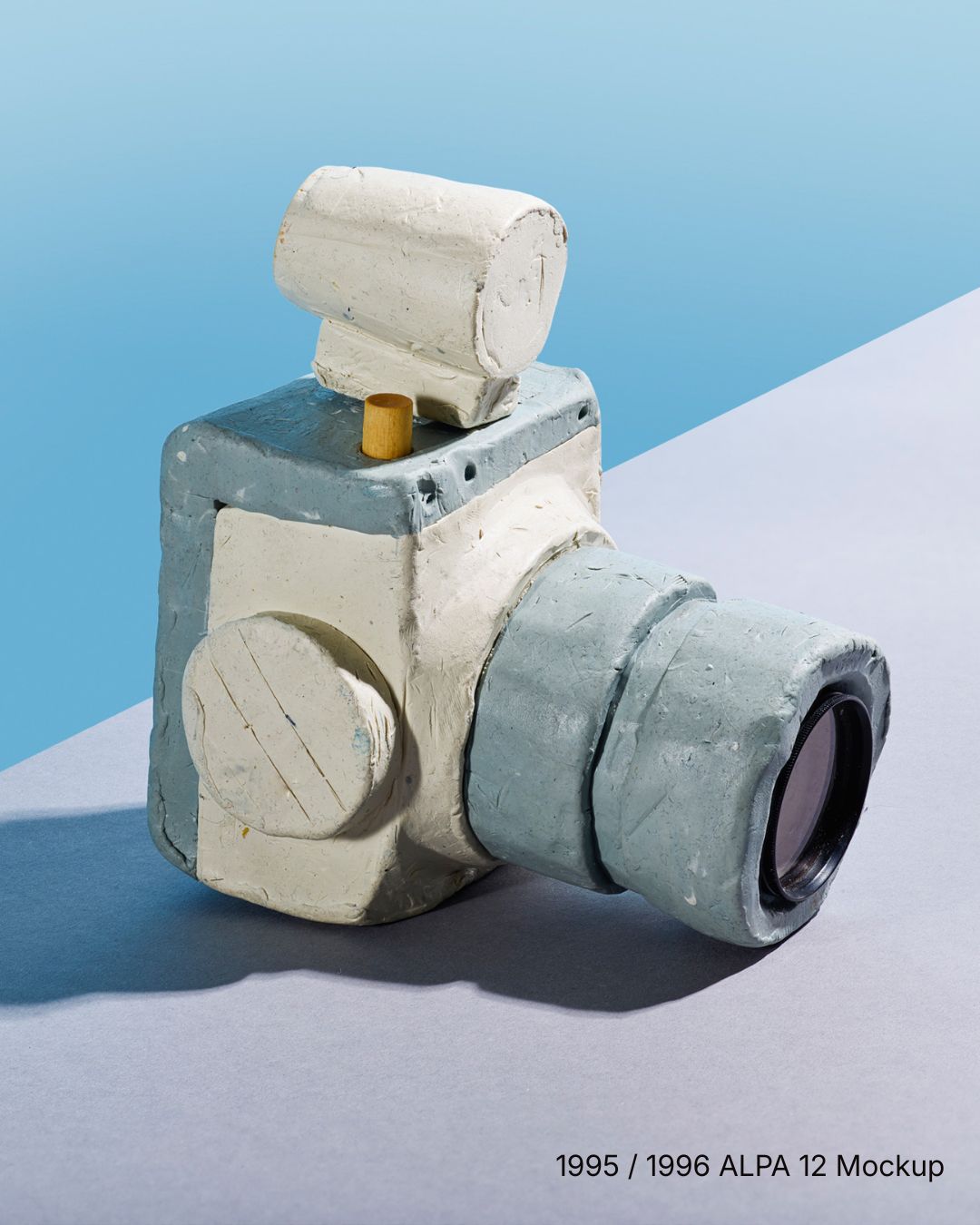
In 1996, at Photokina, ALPA of Switzerland presented the very first ALPA 12 study - a radical departure at the time. A modular, uncompromisingly mechanical camera concept, itself inspired by a much earlier pioneer: the Ermanox. But the market was not quite ready.
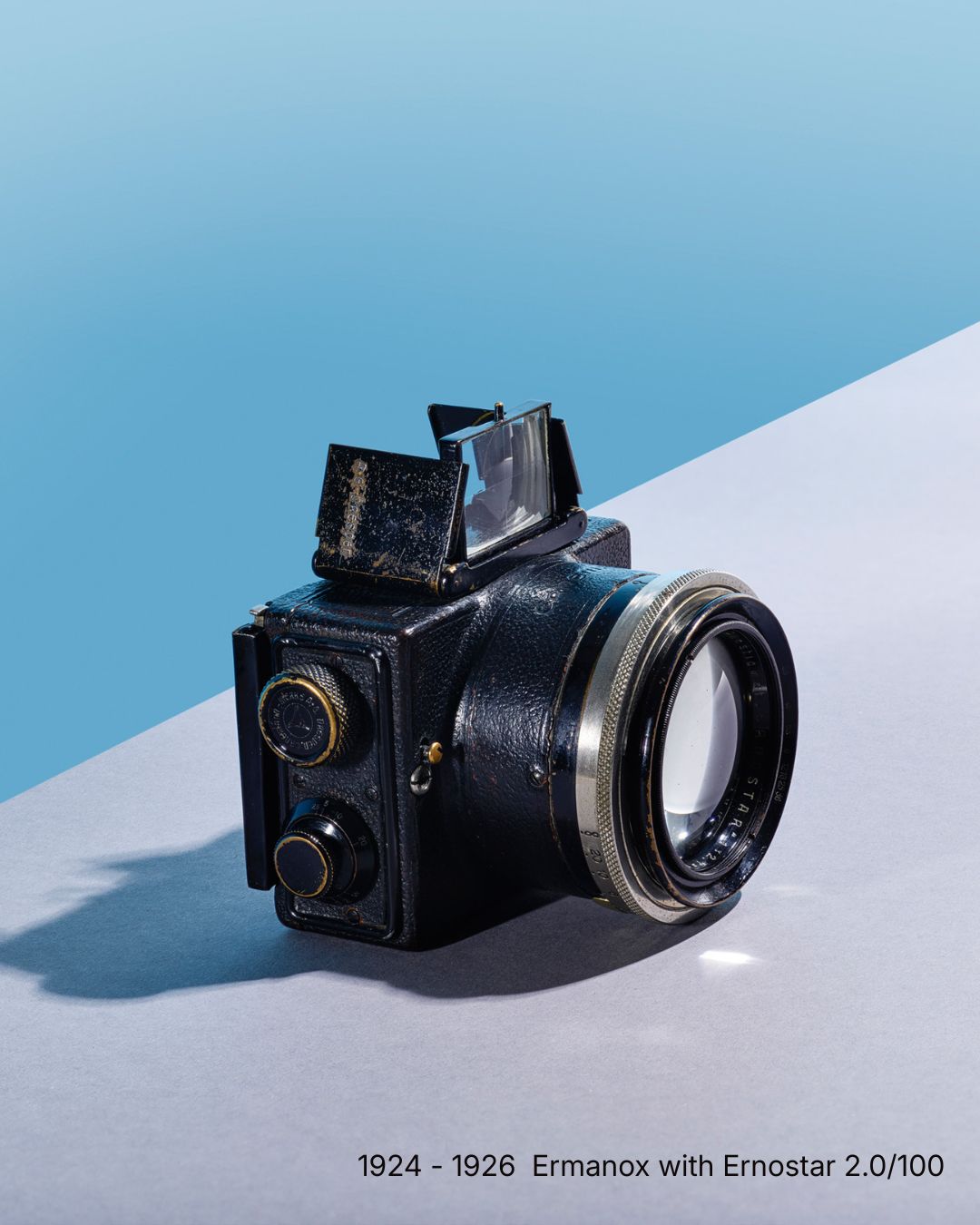
The Ermanox (1924–1926), built by Ernemann in Dresden, was one of the first cameras to make available light photography viable thanks to it's extraordinarily fast Ernostar 2.0/100mm lens. It became closely associated with Dr. Erich Salomon, who used it to photograph diplomats and politicians discreetly, often working from waist level. A camera that truly changed access and perspective.
Our 1996 ALPA study was later translated into a contemporary, modular system that eventually could bridge analog film and emerging digital backs. A camera reduced to essentials: The ALPA 12 WA – still beloved today in the shape of its successor, the timeless ALPA 12 SWA.
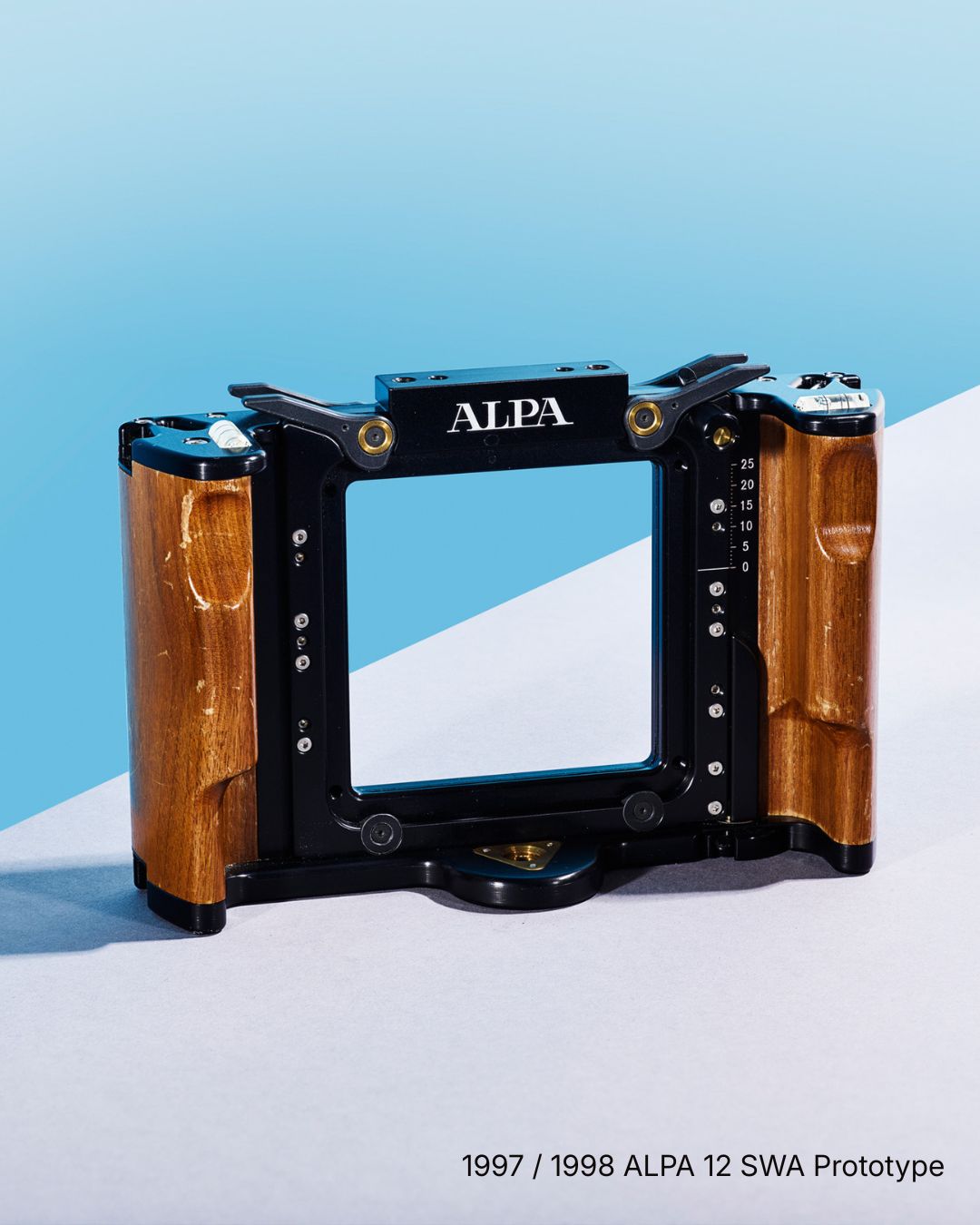
Today, nearly thirty years later, the conversation seems to circle back.
The market appears increasingly drawn to:
– Physical interfaces that offer resistance and precision
– Mechanical feedback instead of touchscreens
– Cameras that encourage composition over consumption
ALPA has quietly remained in that space: Mechanical where it matters. Open to both analog and digital backs. Built around the experience of handling, not tapping.
We find it inspiring when ideas re-emerge across brands and generations. It means certain principles endure.
Here are some examples from mockups in 195/1996:


Links
Related Photographers
RElated Logs
Related Media Assets
Related Products
Galleries
Überlandstrasse 241
8600 Dübendorf
Switzerland
Phone: +41 44 383 92 22
@2026 all rights reserved

PRECISION MEASURED IN MICRONS. PASSION MEASURED IN DECADES