


25.06.2025
The Mechanical Spirit in the Digital Age
Photography is more than resolution and speed. It is a cultural practice, shaped by the tools we choose. As digital life accelerates, many photographers seek moments of stillness — spaces to observe rather than capture.
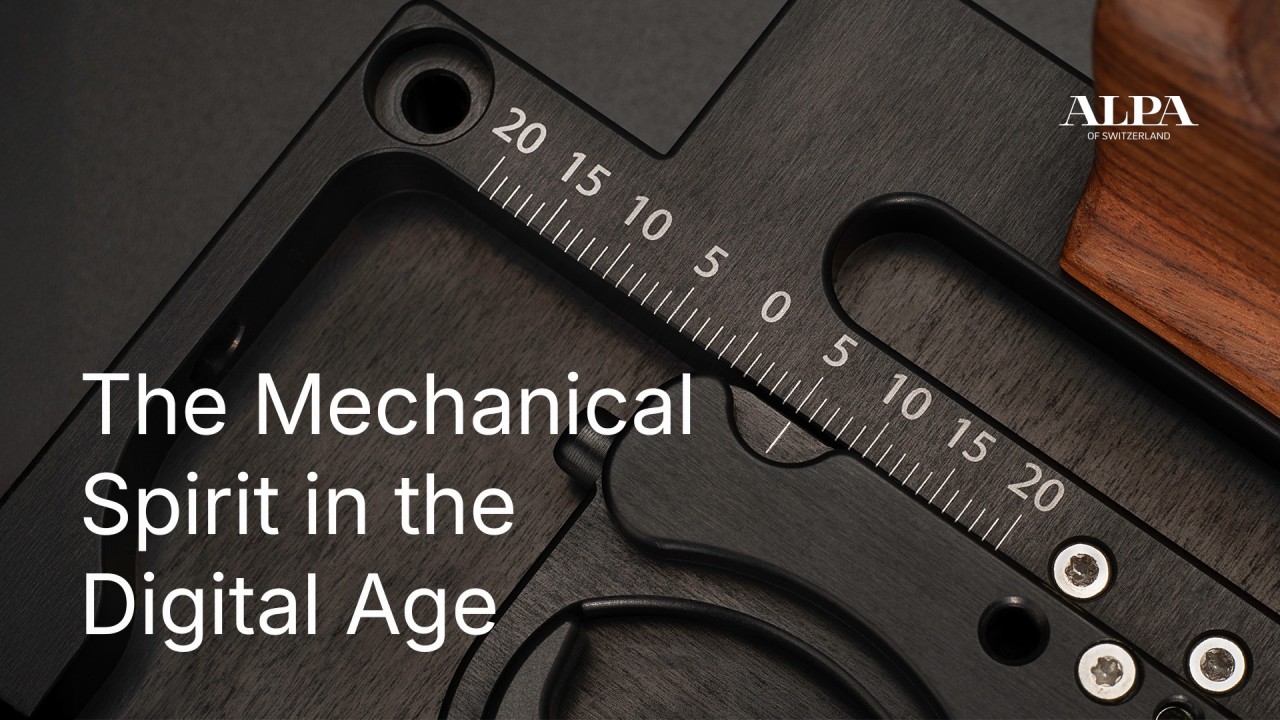
Photography is more than resolution and speed. It is a cultural practice, shaped by the tools we choose. As digital life accelerates, many photographers seek moments of stillness — spaces to observe rather than capture.
This is reflected by a quiet renaissance of the mechanical in our increasingly virtual world. Vinyl records challenge digital downloads. Mechanical watches are collected more passionately than ever. Old amplifiers hum back to life in living rooms shaped by modernism. These things endure — not because they resist progress, but because they offer something progress often forgets: presence.
While ALPA systems embrace digital backs and state-of-the-art lenses, their design continues to be shaped by our mechanical heritage. Each component of an ALPA technical camera reflects this tradition: milled from solid metal, built to exacting tolerances, and assembled with the care of a timepiece. The result is a tactile experience.
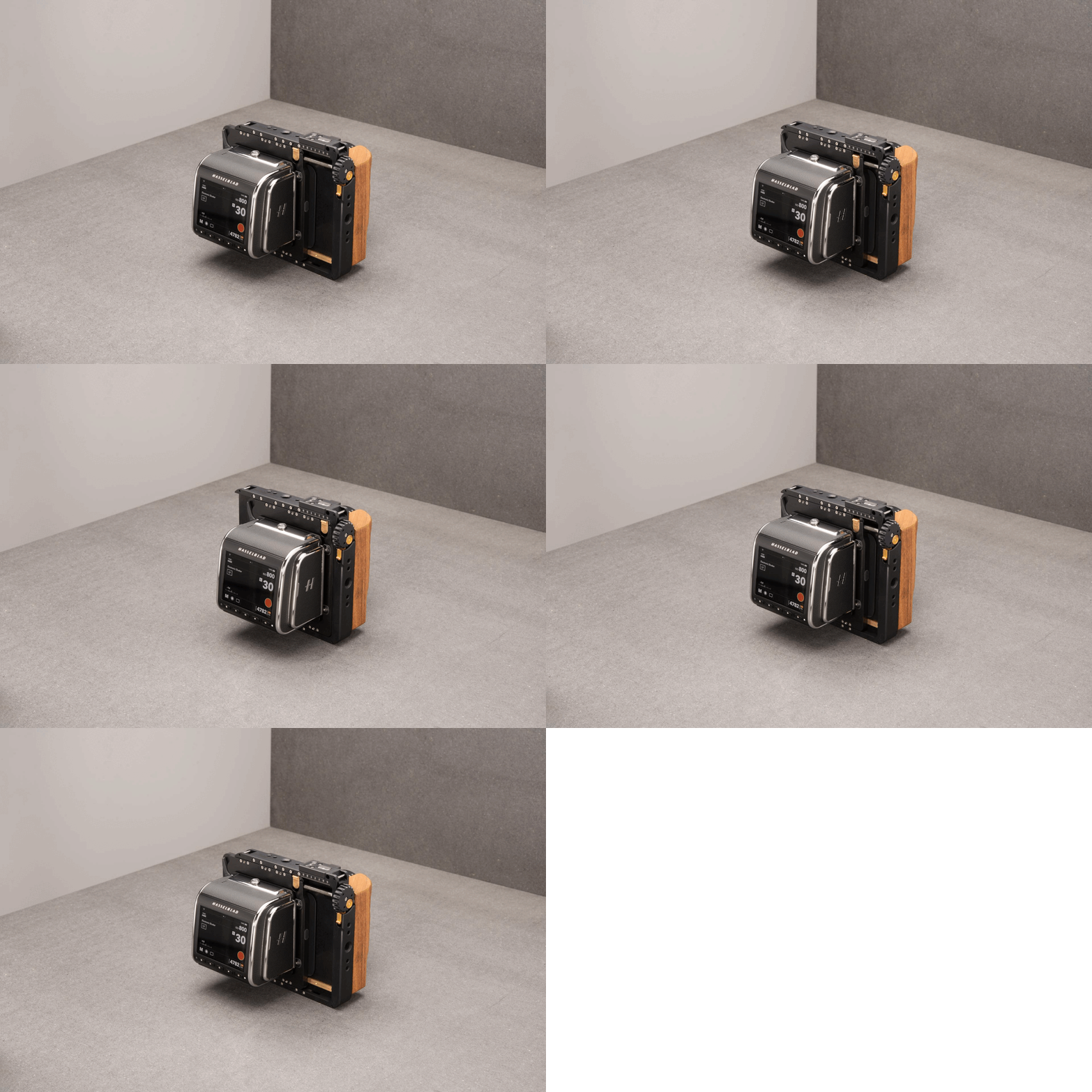
"Mechanical objects slow us down. They ask to be touched, handled, understood. They cannot be swiped away or flattened into icons. They produce sound with vibration, images with light, time with tensioned springs. In their slowness, they give space — to listen, to see, to consider."
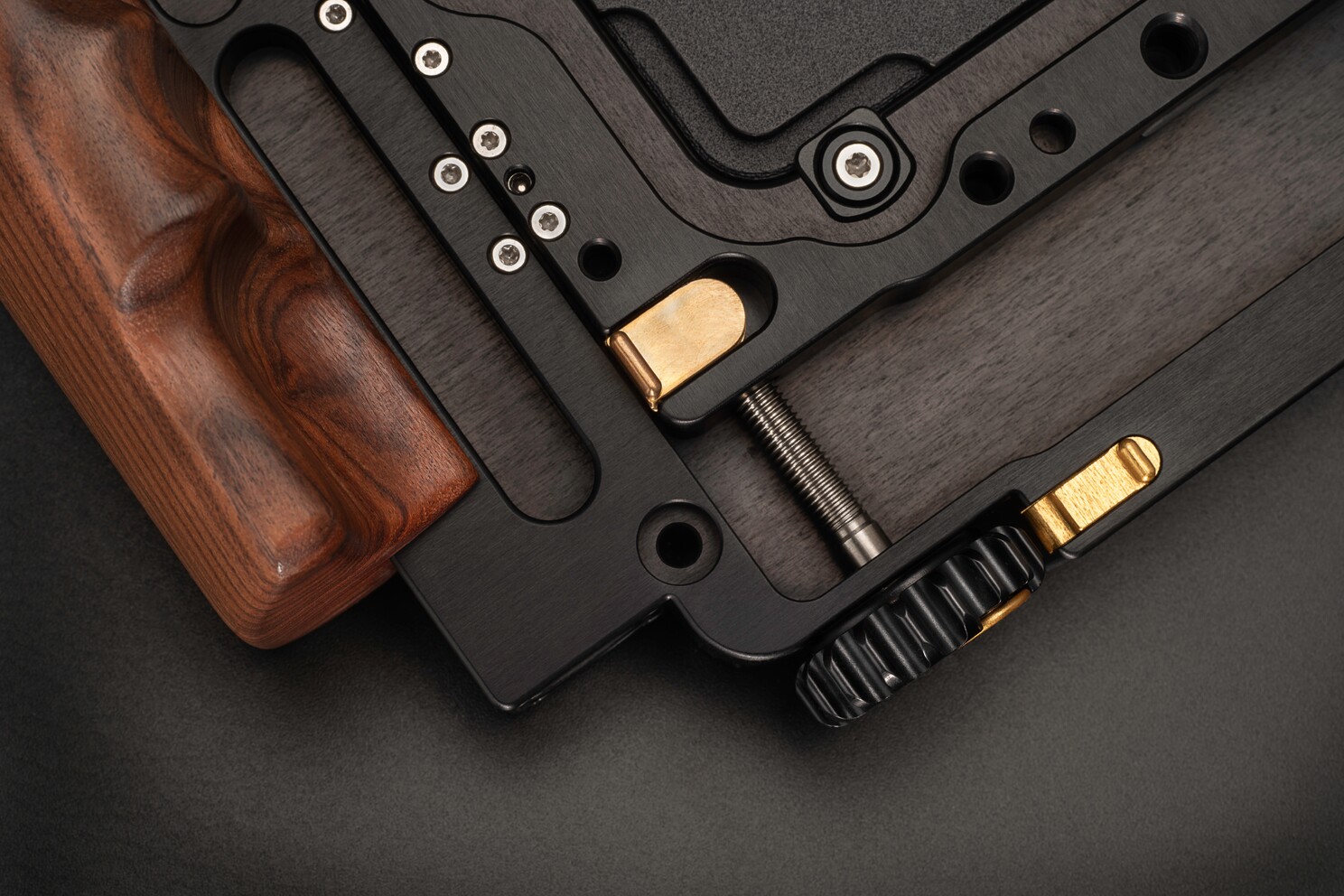
Photography, too, has its mechanical legacy. Shutters that open like eyelids. Cameras that do not rush but require the photographer to pause. These tools foster accuracy and attention. They remind us that image-making is a dialogue with the world, not just a download of it.
This is not about nostalgia. It is about continuity. The physicality of mechanical instruments connects us to something that virtual systems obscure: material presence, intention, and care. It’s a different kind of quality — one that values feel as much as function.


Links
Related Photographers
RElated Logs
Related Media Assets
Related Products
Galleries
Überlandstrasse 241
8600 Dübendorf
Switzerland
Phone: +41 44 383 92 22
@2026 all rights reserved

PRECISION MEASURED IN MICRONS. PASSION MEASURED IN DECADES