


27.11.2017
Reproduction With ALPA: Quality Without Compromise
Throughout his career, photographer Ardon Bar-Hama has made the most valuable writings of history available digitally. As part of his two most recent projects, he worked with his ALPA 12 TC for the Paul Sacher Foundation in Basel.
The unique collection of the Paul Sacher Foundation in Basel reflects the works of over 120 composers and attracts musicologists, musicians and other researchers from all over the world. When it comes to archiving the documents digitally and thus securing their stock, confidence in the abilities of the photographer is crucial. In the process of digitizing the Igor Stravinsky Collection and the Arthur Wilhelm Collection, the Foundation worked with the experienced expert Ardon Bar-Hama. "It was too risky for us to leave the treasures out of the house for digitization," says curator Heidy Zimmermann. "That is why we chose the 'luxurious' option."
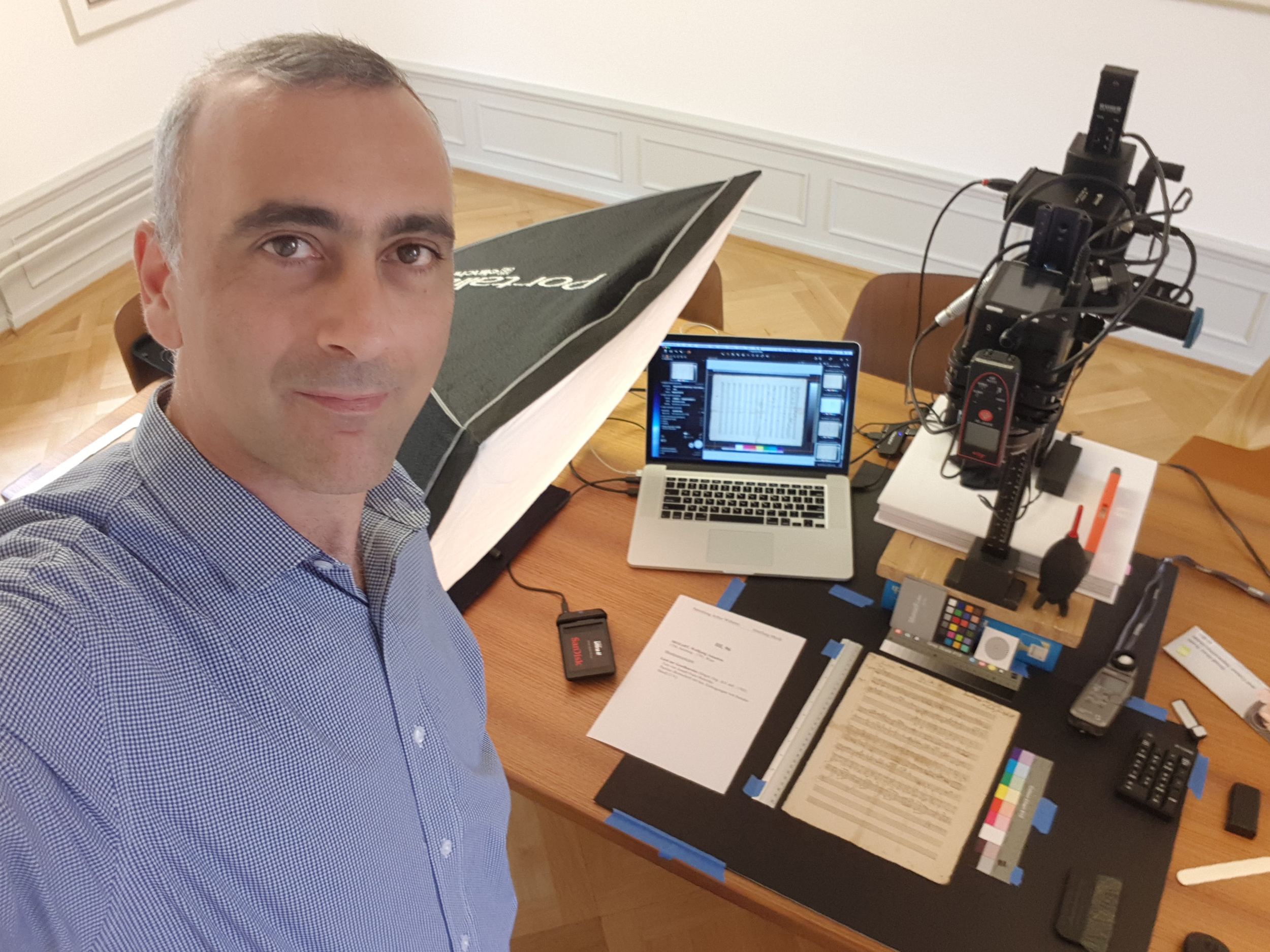
Ardon Bar-Hama enjoys an outstanding reputation in his profession. He has worked on numerous projects such as the digitalization of the Dead Sea scrolls, which are also known as Qumran roles and contain the world's oldest biblical written document. In addition to other ancient documents, Ardon also digitalized more recent scripts. On behalf of and on the recommendation of the IT group Google, for example, he digitized the records of Nelson Mandela and Desmond Tutu for the following generations.
Finding ALPA as an architecture photographer
One reason that makes Ardon Bar-Hama a master in his profession is the self-developed recording technique. In combination with an ALPA camera, Ardon Bar-Hama is able to shoot images in seconds and in a simplified manner, which had previously only been achieved by a lengthy process.
Ardon became aware of ALPA in 2005 when he photographed an object by the famous Israeli architect Moshe Safdie. Ardon got in touch with ALPA and, to his surprise, soon held one of the cameras in his hand. Company founder Thomas Weber was inspired by the project and sent the first ALPA 12 to Israel. "I needed a larger resolution than conventional cameras could deliver and was glad ALPA supported me. A camera of this quality was not available in Israel and I soon realized that the ALPA is not only a huge potential for my work but also a worthwhile investment for decades. "
ALPA 12 TC - Traveling photo studio
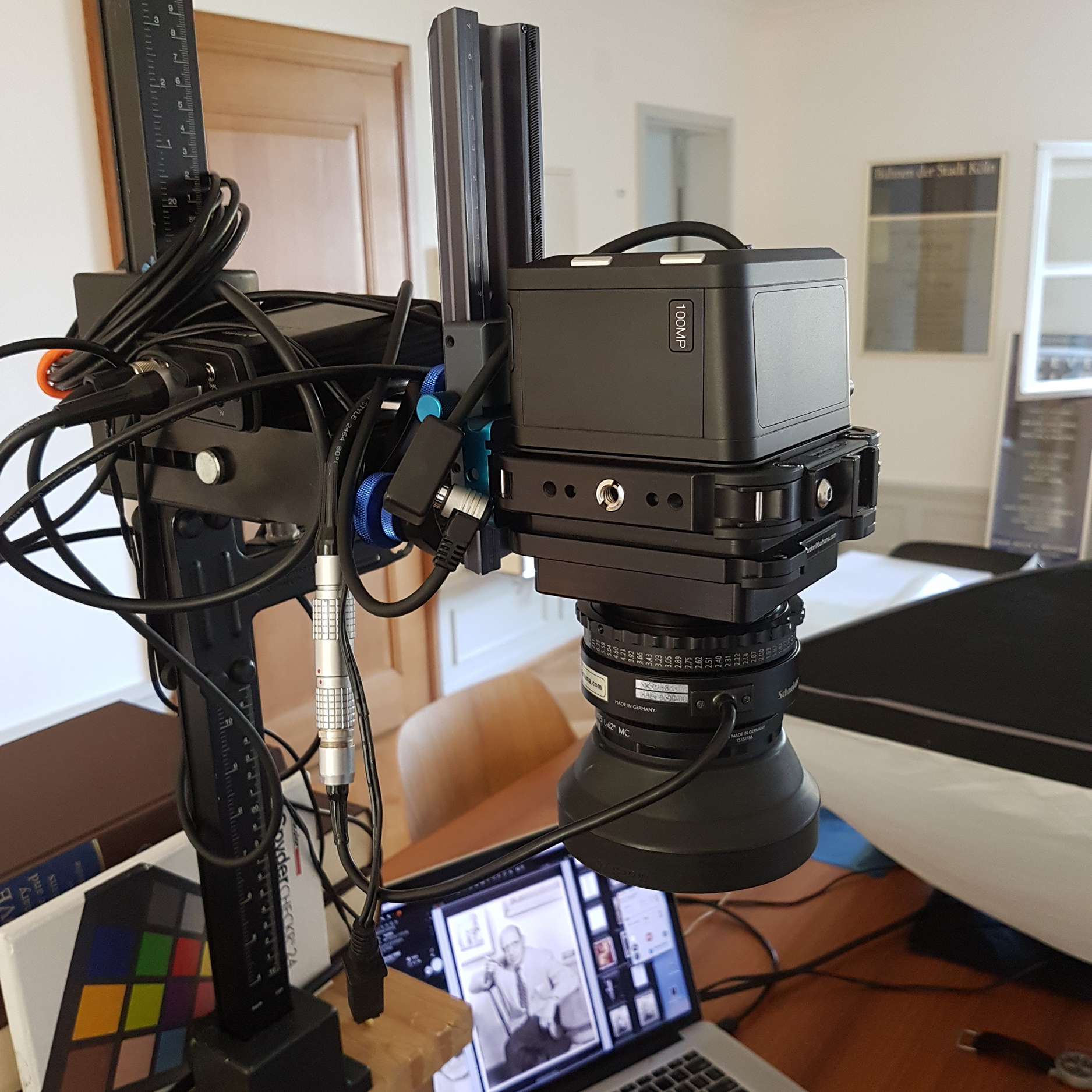
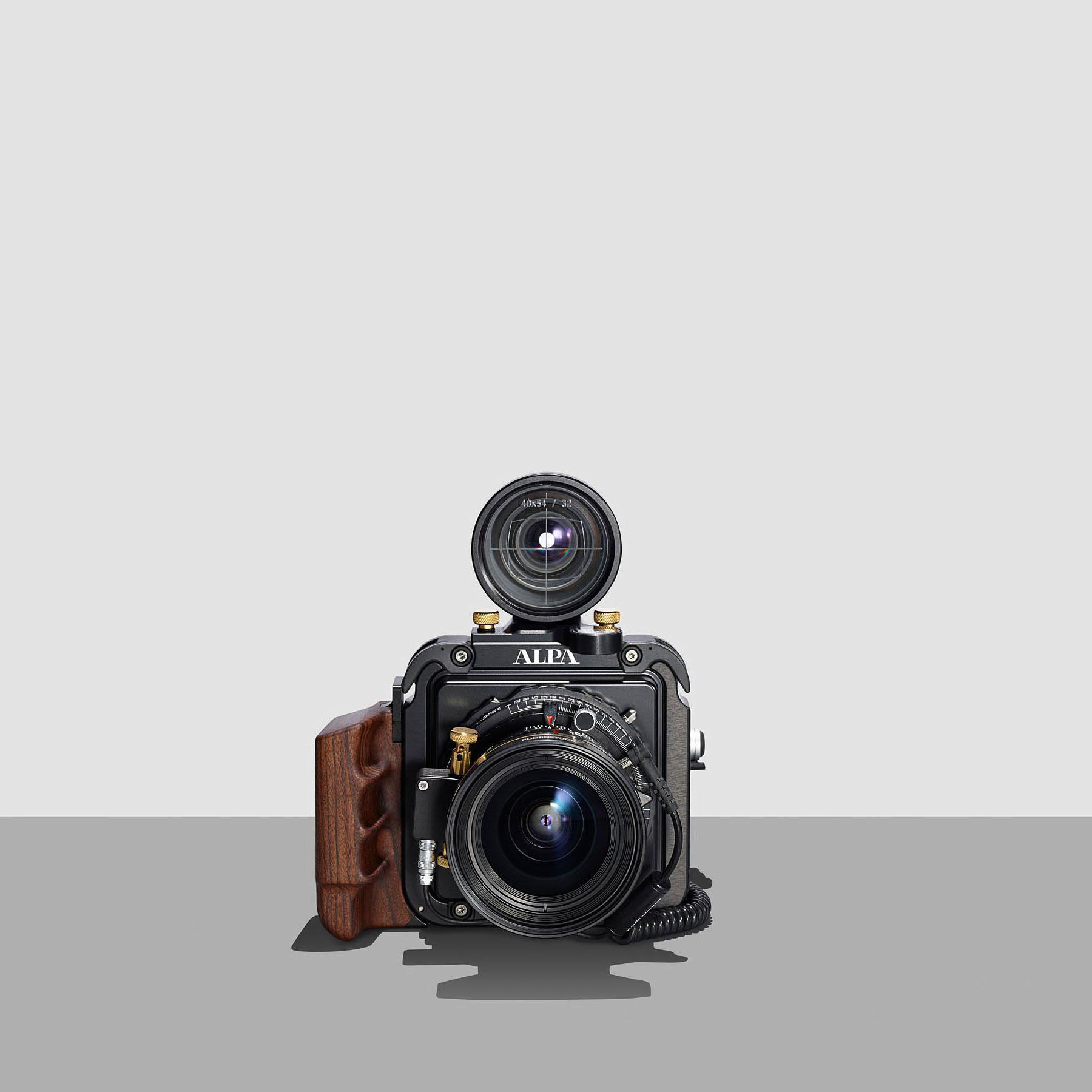
For the first time, the new technique was used in the digitization of the codex of Aleppo from the tenth century, the oldest written representation of the Hebrew Bible being practically complete. Meanwhile, Ardon Bar-Hama has three different cameras. For the projects in cooperation with the Paul Sacher Foundation, he used an ALPA 12 TC with an (older) Schneider / ALPA 72mm lens and an IQ3 100MP back by Phase One. "A big advantage to the camera is its compact size. I am a travelling studio photographer, and so I love the TC: it allows quality without compromise, and as a photographer, you do not need space-saving equipment to work with it - the camera and the appropriate lens are completely sufficient. With this setup, Ardon Bar-Hama shot up to 2000 images in one day - something that would not have been possible with a conventional setup.
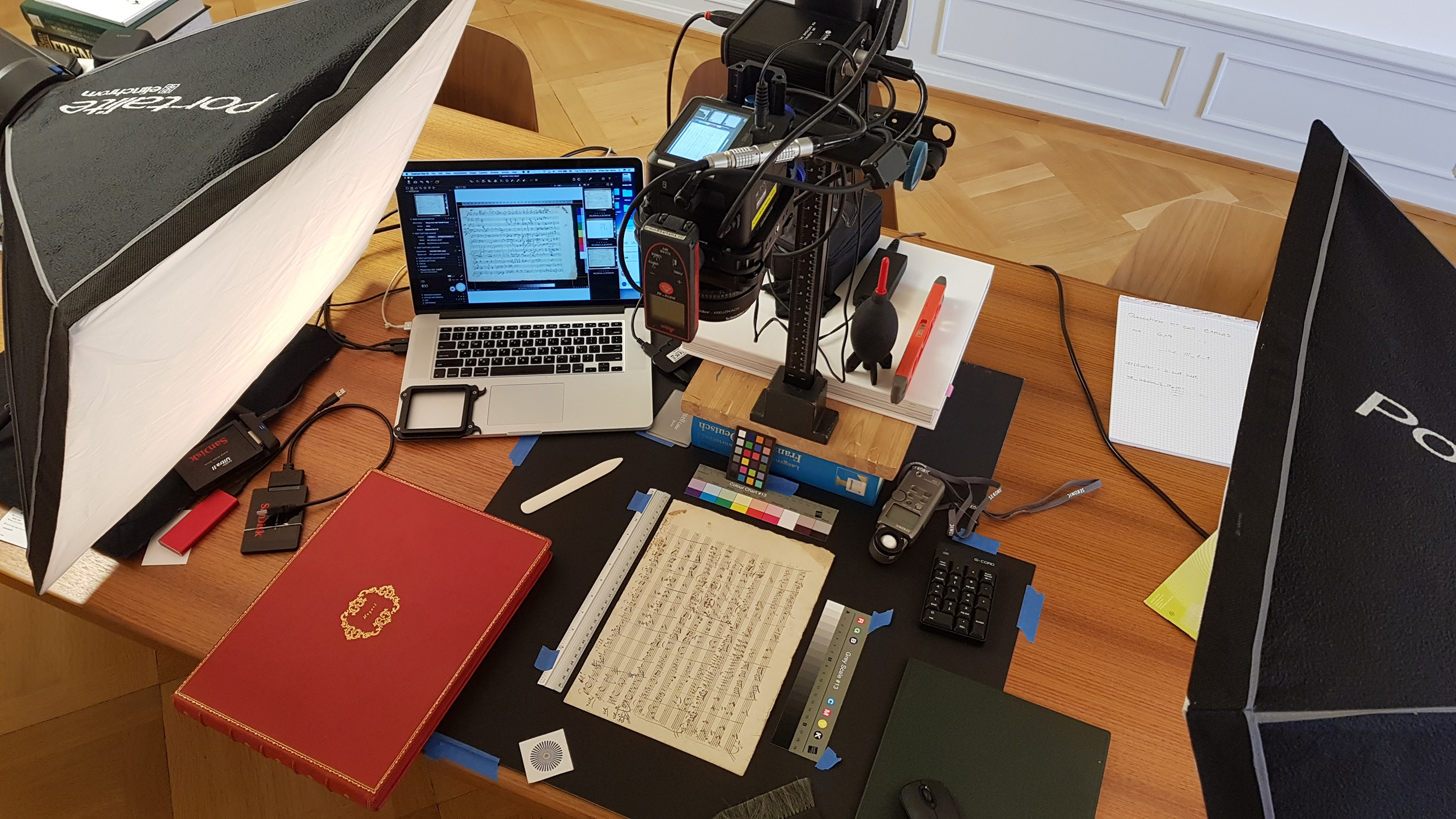
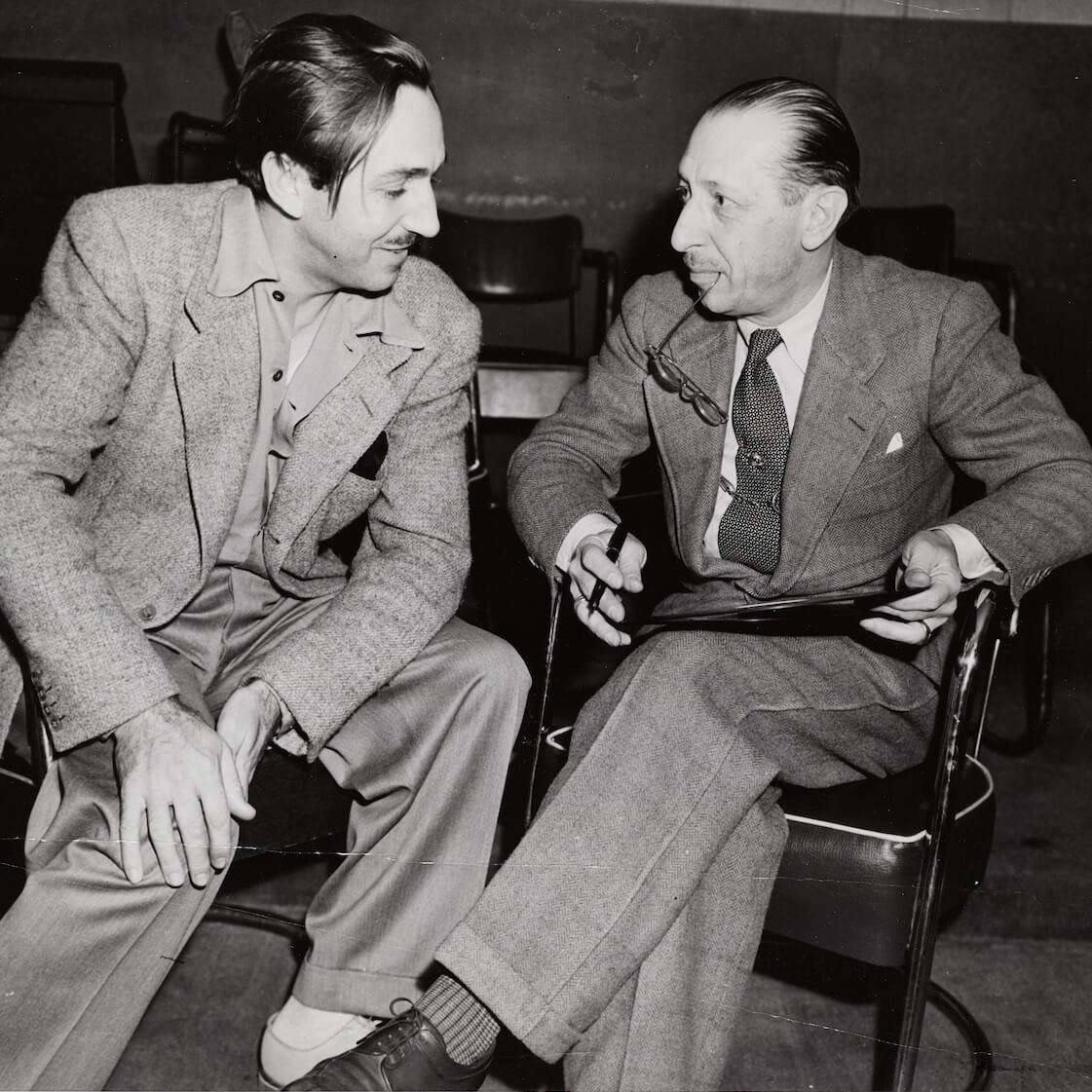
With his work, he contributes to preserving two outstanding collections of the Paul Sacher Foundation of posterity. From the Stravinsky collection alone, the photographer secured over 5000 images and provided them with high-quality reproductions as well as data for recording in a database. It is a very valuable collection that covers a period from about 1880 to 1971, and also contains numerous original prints by famous photographers such as Man Ray, Arnold Newman, Henri Cartier-Bresson and Richard Avedon. Their pictures show not only Stravinsky but personalities from music and culture from the 20th century.
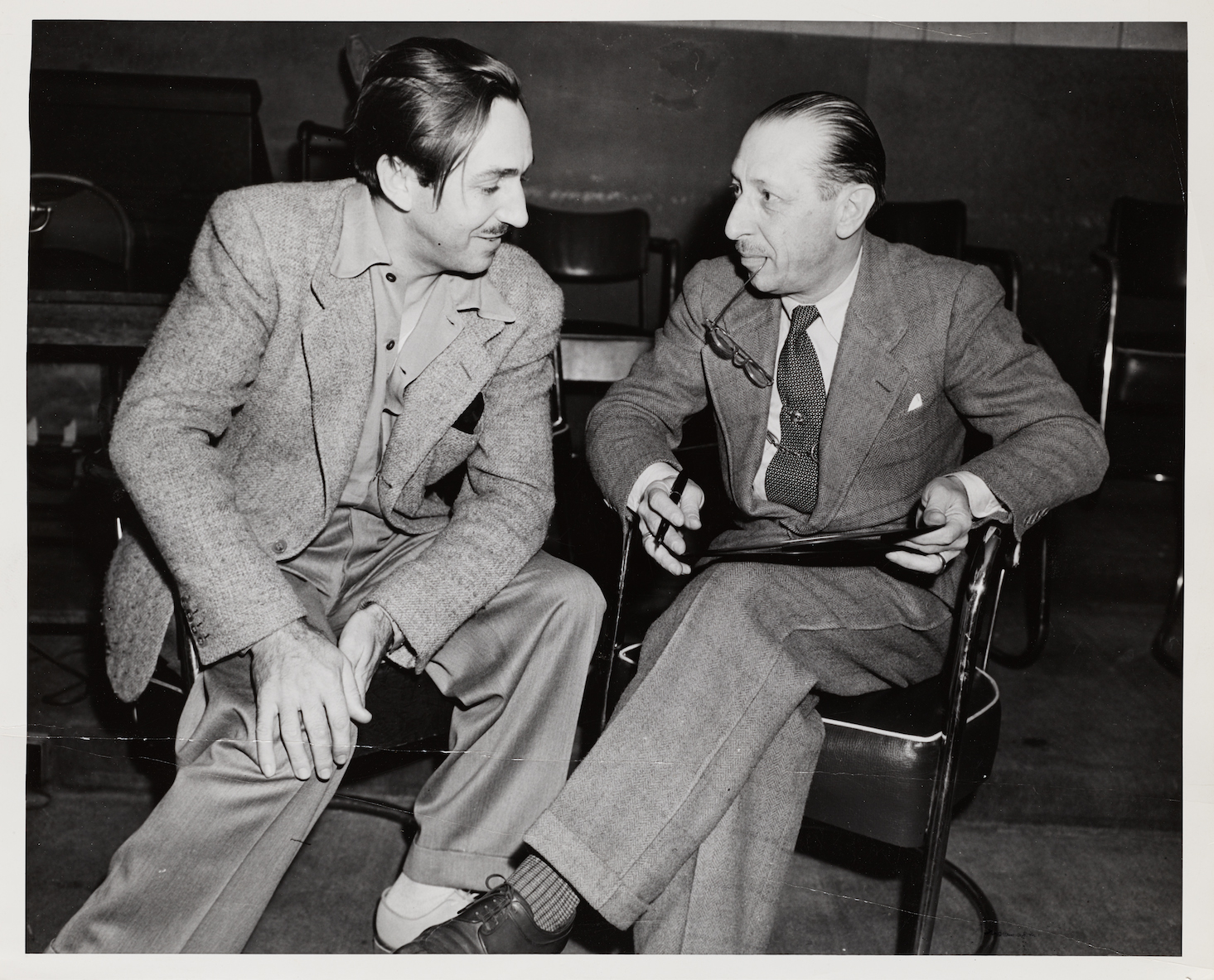
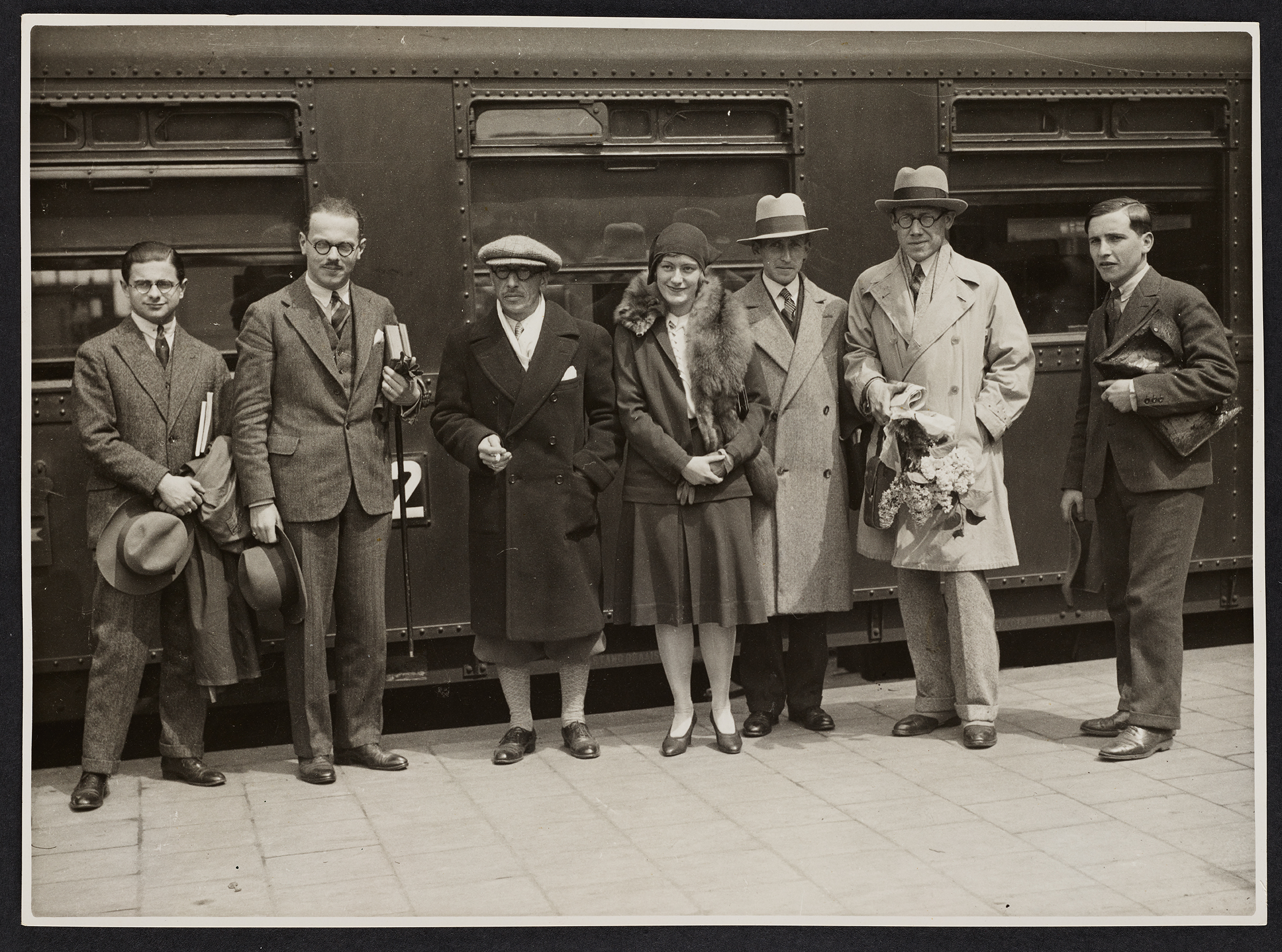
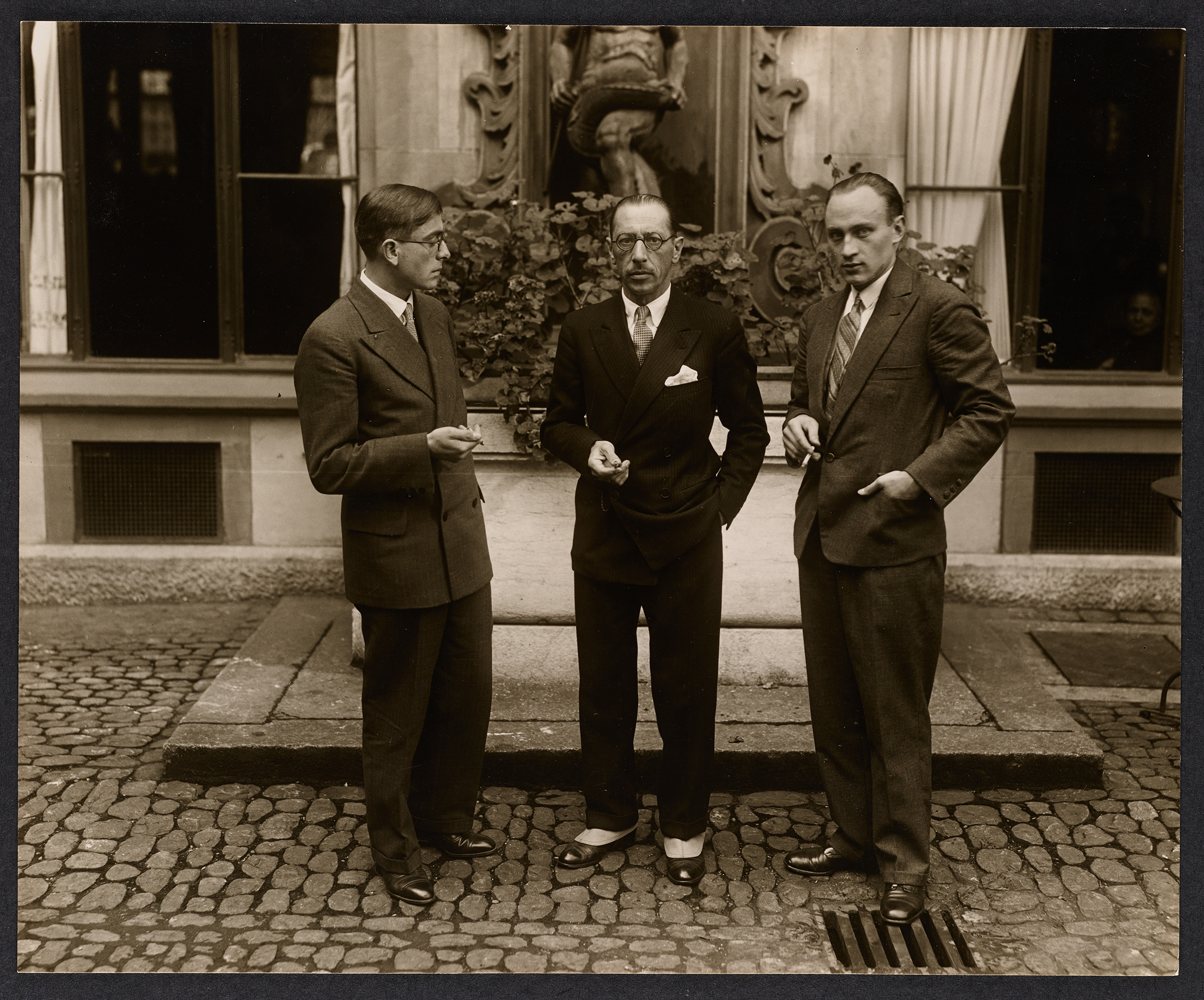
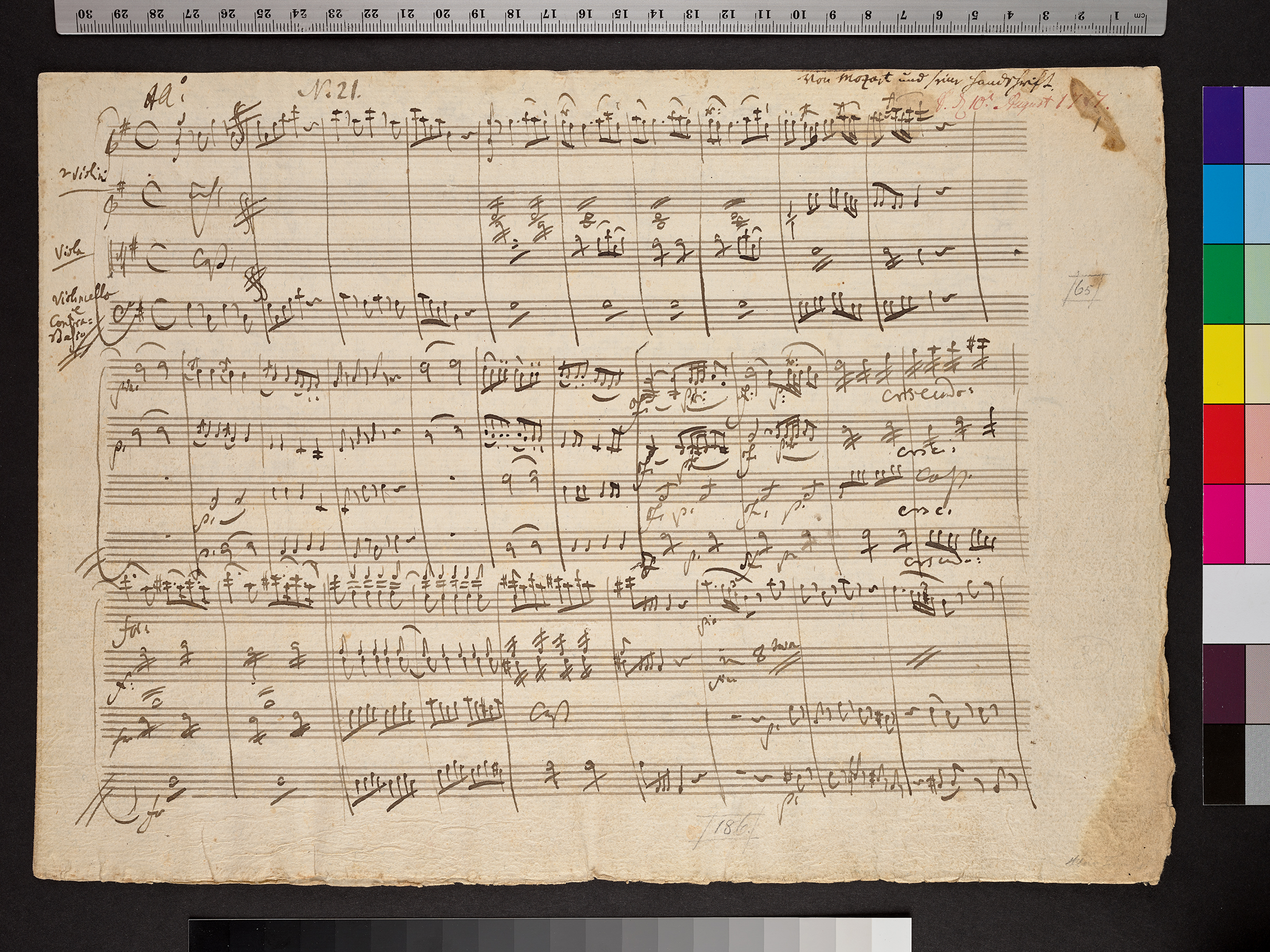
The digitization of the Arthur Wilhelm Collection is a Basel collection, which is kept as a deposit in the Paul Sacher Foundation and is looked after as a collection of its own. It contains about 250 music manuscripts from the 18th to the 20th century, including major works by Bach, Mozart, Beethoven, Schubert, Stravinsky and others.


Links
Related Photographers
RElated Logs
Related Media Assets

Galleries

Überlandstrasse 241
8600 Dübendorf
Switzerland
Phone: +41 44 383 92 22
@2026 all rights reserved

PRECISION MEASURED IN MICRONS. PASSION MEASURED IN DECADES