


[ 80 Years of ALPA ]

Since 1946, ALPA has followed its own path. Born from Swiss micromechanics, shaped by watchmaking discipline, challenged by changing
eras and revived through the courage of people who believed that a camera could be more than a device.
An ALPA is a precision instrument. A companion for those who choose
attention over automation, craft over convenience, and mastery over speed.
For 80 years, this idea has endured. In metal, wood, leather, light, and time.

1918
THE GEAR BEFORE THE IMAGE
Long before ALPA became a name
in photography, its spirit lived in precision mechanics.
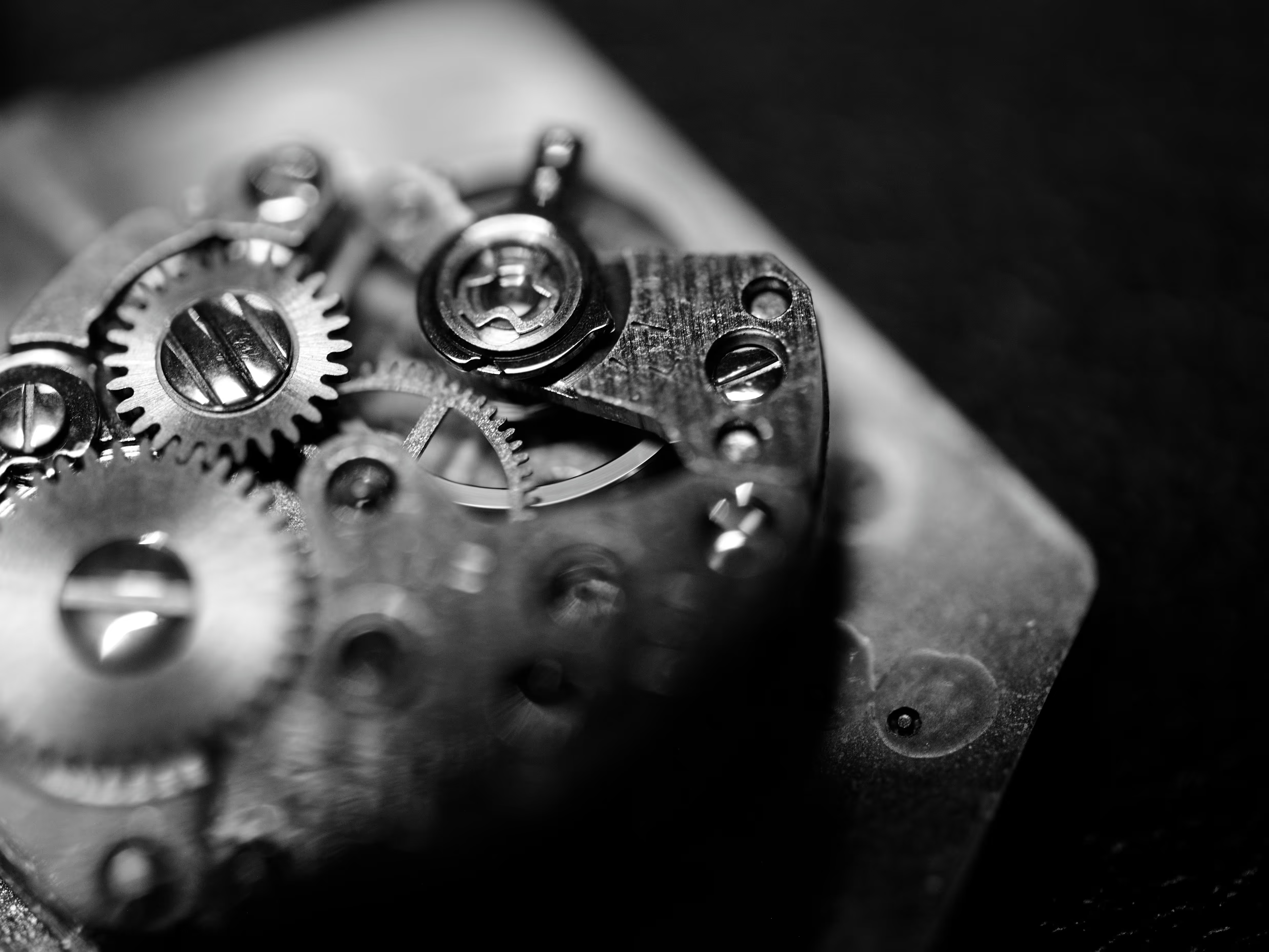
Pignons SA was founded in Ballaigues,
at the southern foot of the Jura in the canton of Vaud, producing finely crafted components for the Swiss
watch industry.
The name "Pignons" refers to the gear wheels inside mechanical timepieces. Small parts. Exact movements.
Invisible work that made precision possible.
This was the first foundation of ALPA: time, not photography.
1933 to 1942
THE CAMERA BEGINS TO TICK
The watch industry faced uncertain years. Pignons SA looked beyond timekeeping and found a natural next step in photography.
A camera, after all, is also a machine of time. Springs, levers, shutters, tolerances. One measures seconds. The other holds moments.
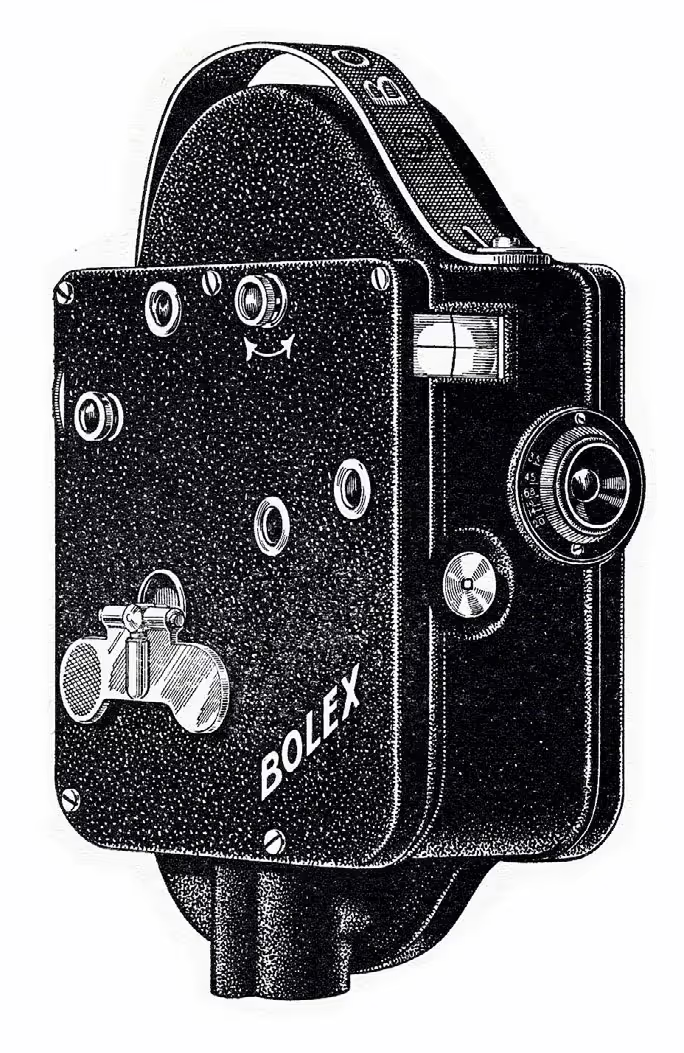
Engineer Jacques Bogopolsky, also known as Bolsky or Bolsey, brought the vision into form. Born in Kiev, and already connected to the legendary 16mm Bolex film camera, he engineered the early 35mm still camera concept that would become the ALPA Reflex. Early prototypes carried names such as Bolca, a trace of their inventor’s hand and imagination.
1944
THE REFLEX ARRIVES
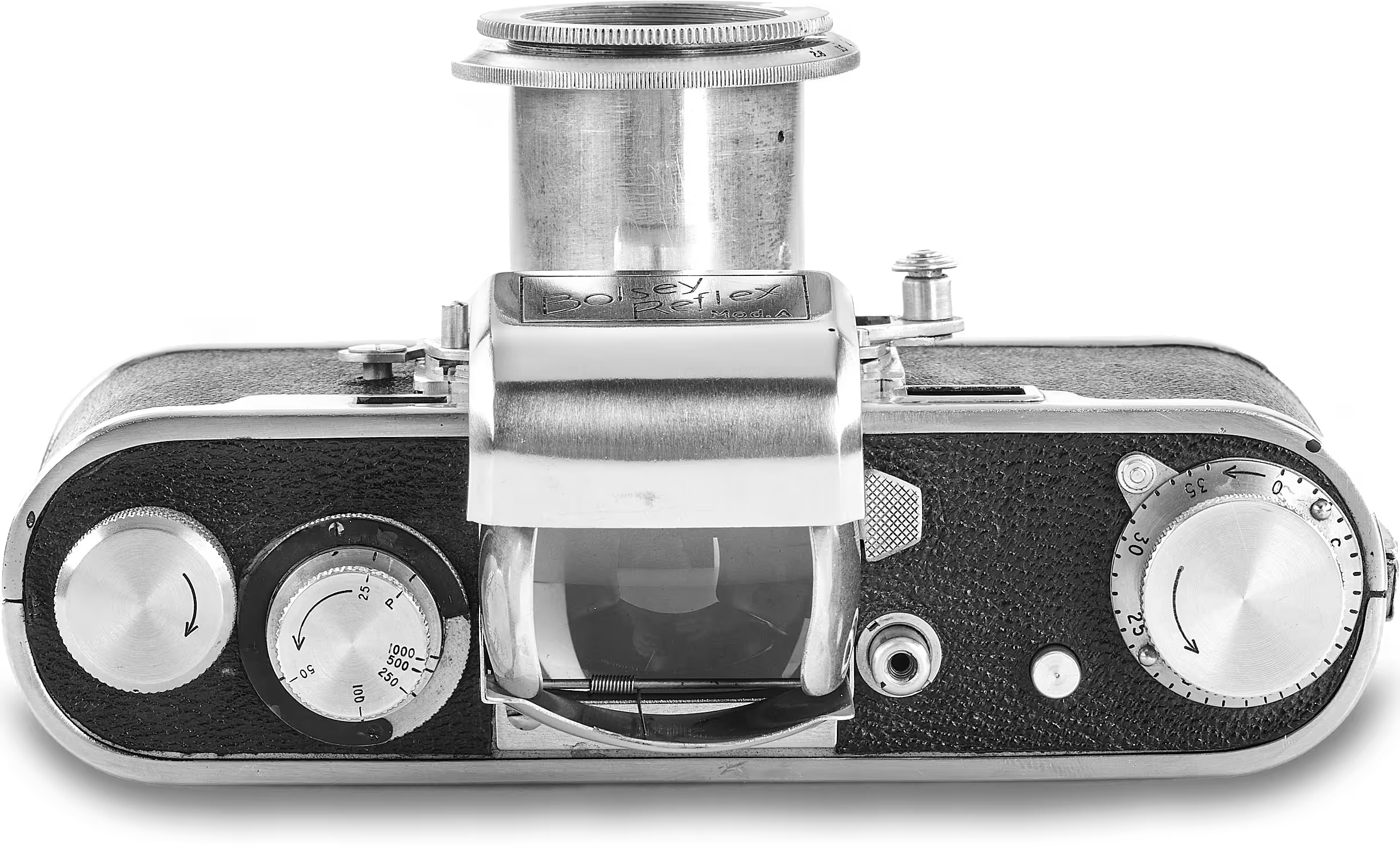
In 1944, the ALPA Reflex was presented at the Basel Sample Fair.
It was compact, precise, unconventional, and unmistakably Swiss.
At a time when 35mm single lens reflex cameras were still rare, ALPA entered the field with a tool that combined reflex viewing with rangefinder precision. It was never conceived as a camera for the masses.
It was built for people who appreciate how a precision instrument feels in their hands.
The first ALPA already carried the essential code: precision, restraint, and mechanical clarity.
1946
A NAME IS BORN

In 1946, ALPA was officially registered as a trademark of Pignons SA.
The name was short, clear, and ready to travel. Behind it stood a very Swiss ambition: to build cameras with the same attention once reserved for precision timepieces. This is where the 80 year story begins. A name. A promise.
1946
THE REFLEX ARRIVES
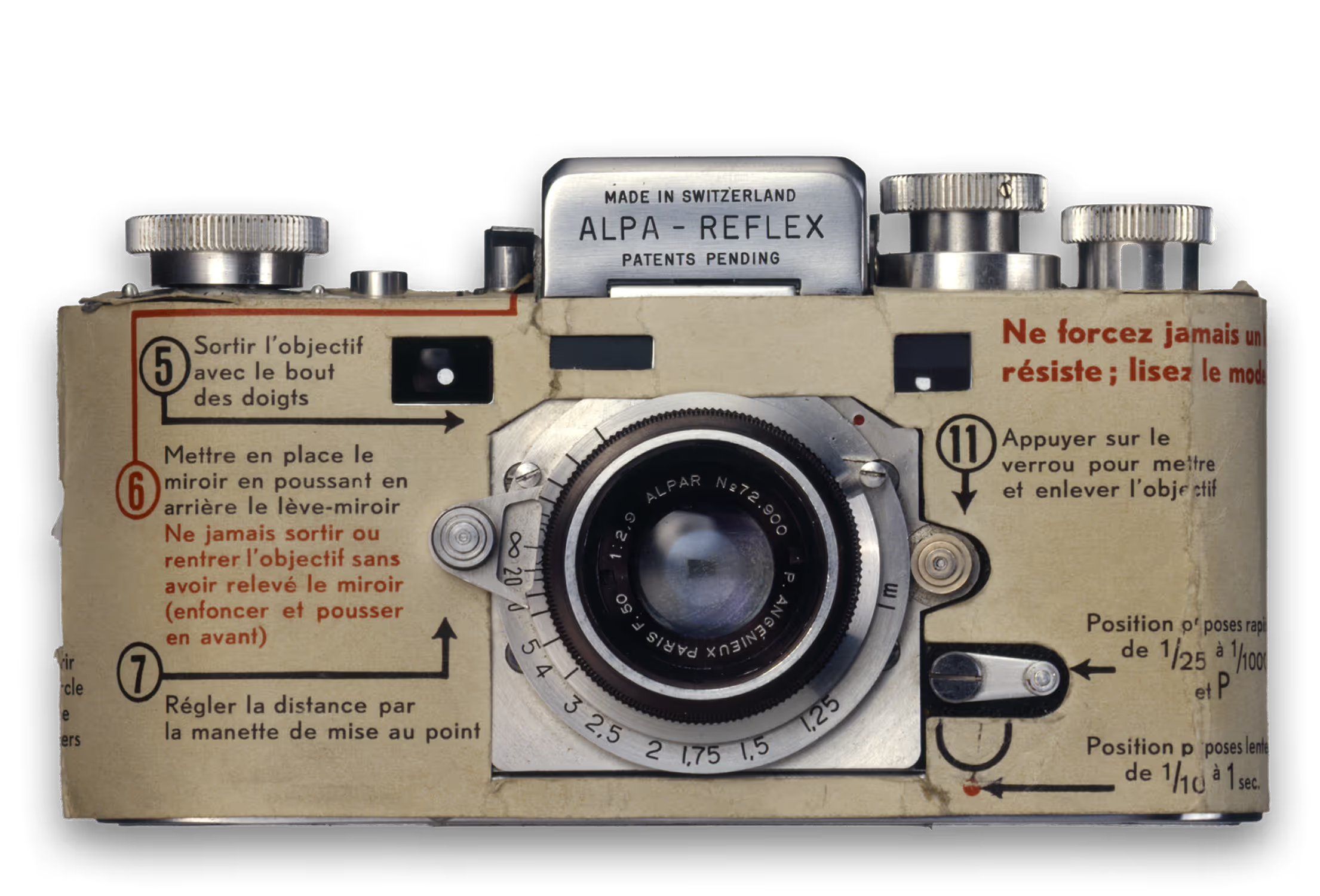
Early ALPA Reflex models were wrapped in a paper instruction sheet, informally referred to as a "dressing gown."
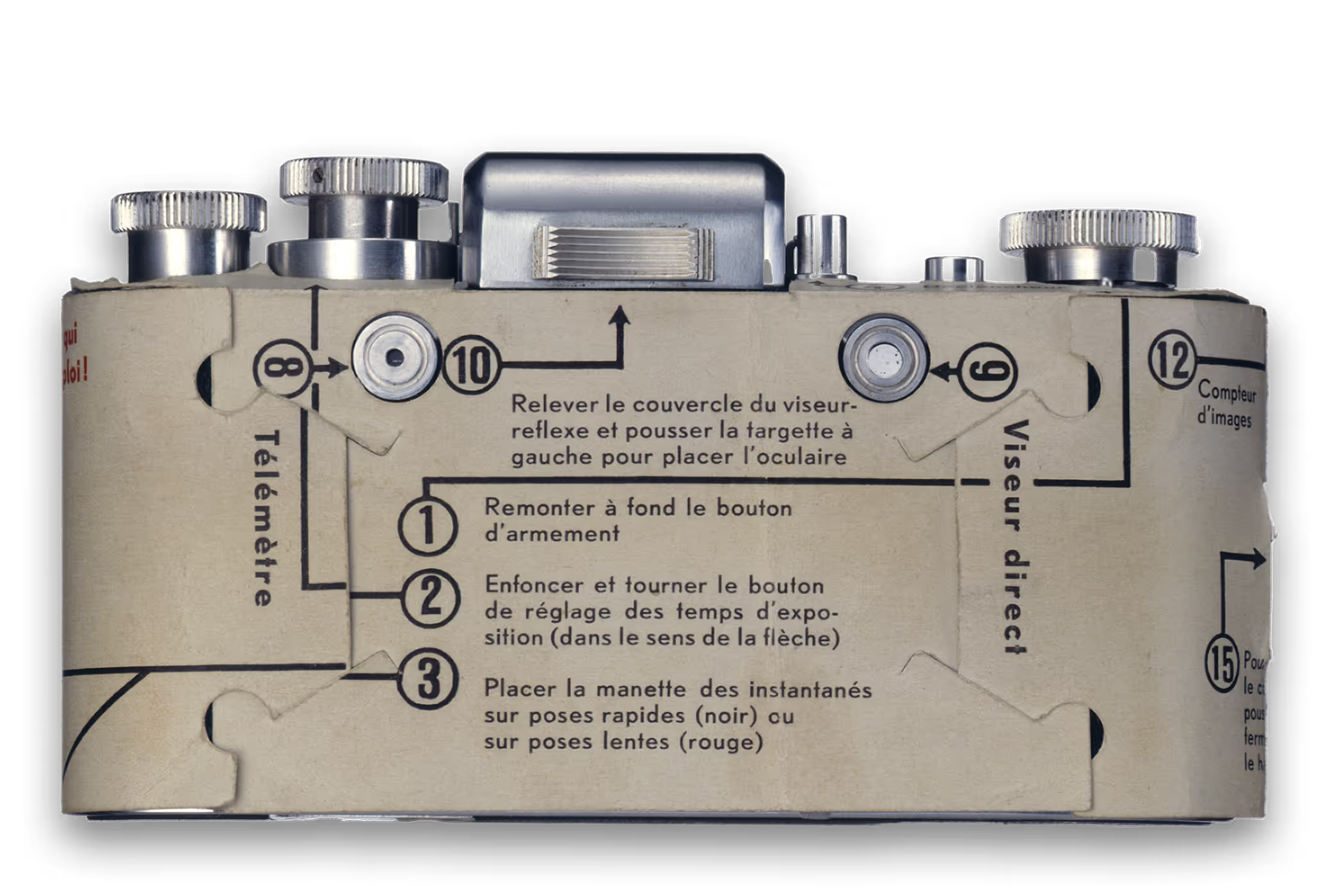
The concise instructions highlighted the camera’s essential functions and operating features.
...
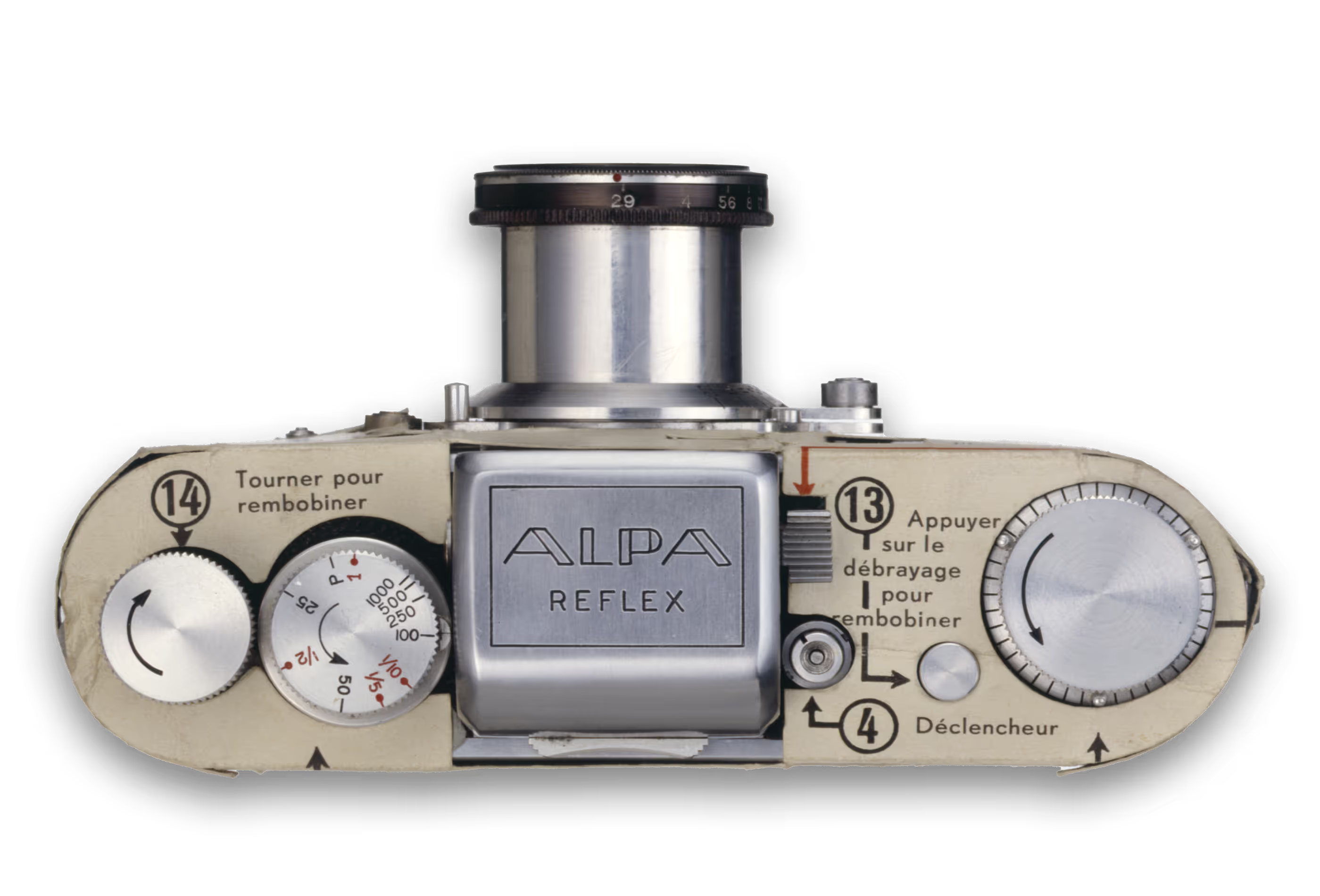
Known language versions include English, German, French, and Italian.
1949
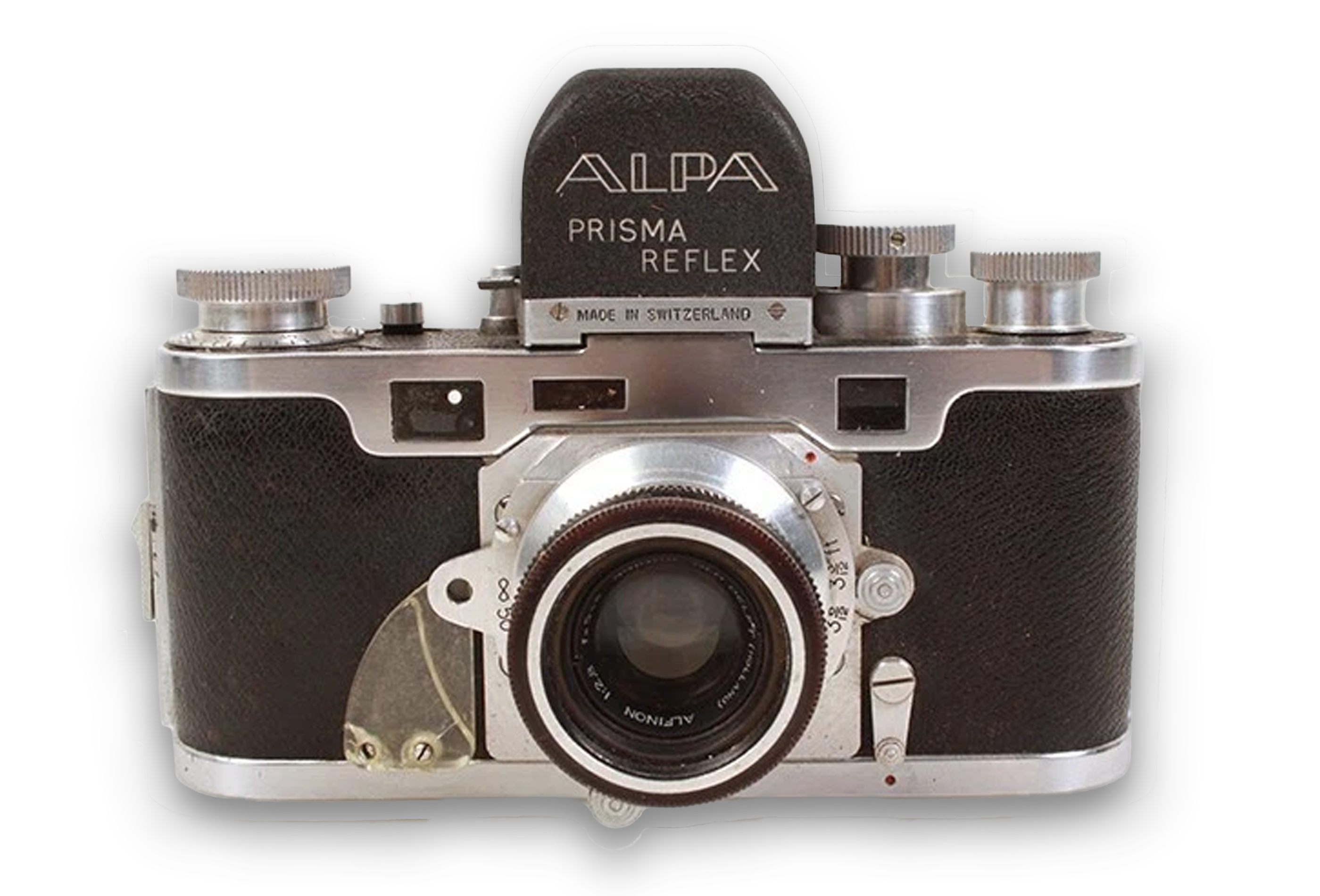
THE PRISM OF PROGRESS
With the ALPA Prisma Reflex, ALPA introduced one of the early 35 mm SLR cameras with a pentaprism finder.
The view through the camera became more natural, more direct, more precise. For ALPA, innovation has always meant refinement rather than revolution. A quieter kind of progress, felt immediately by the photographer.
1952
REBUILT FROM WITHIN
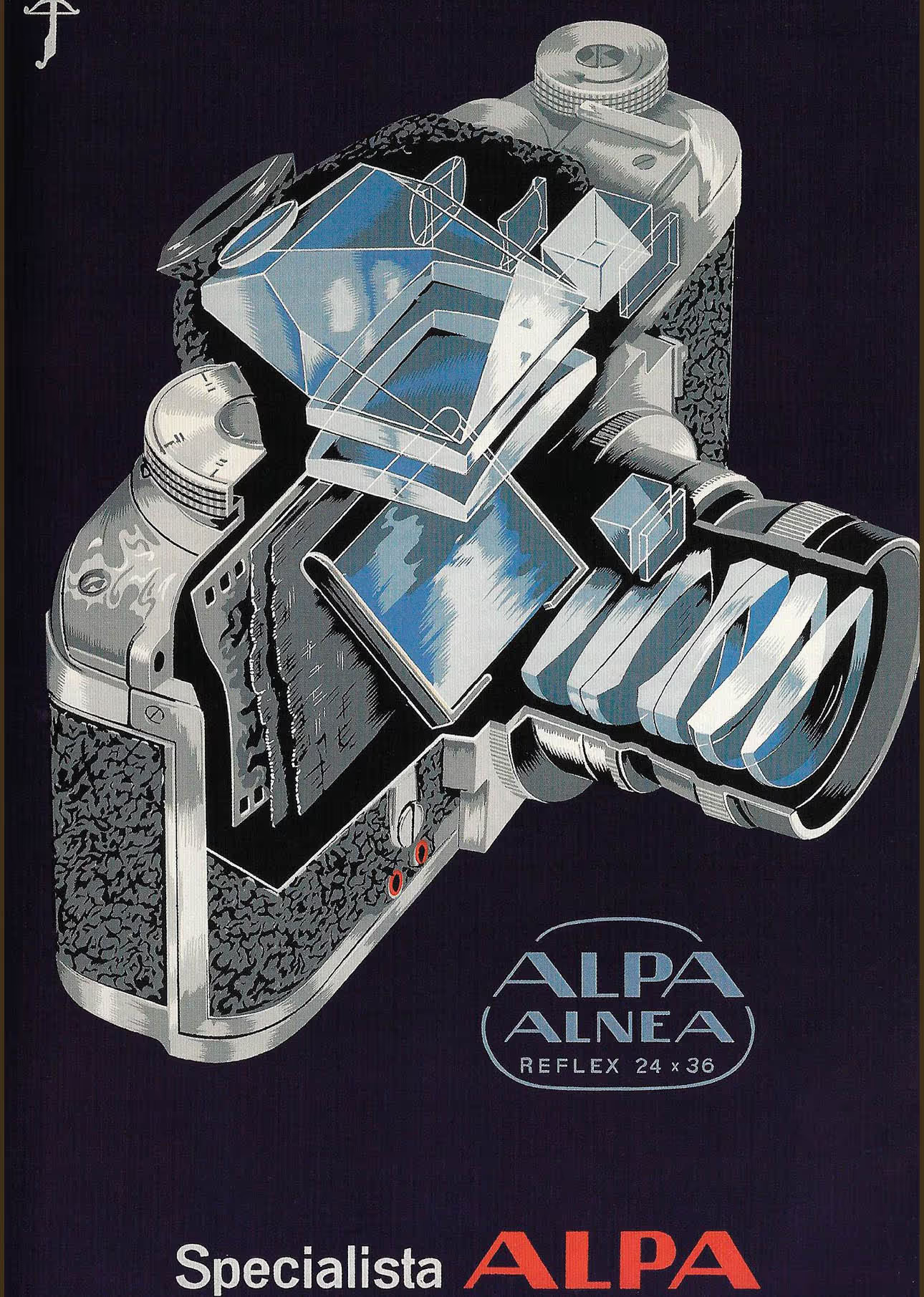
In 1952, André Cornut rethought the construction of the ALPA camera.
The new Alpa Reflex and Alnea models were characterised by a die-cast light-alloy body and a new-generation mechanical design. The camera evolved without losing its original character. More robust. More sophisticated. More self-assured.
ALPA became what collectors still appreciate about it today: a camera shaped less by fashion trends and more by technical conviction.
1964
LIGHT MEASURED THROUGH THE LENS
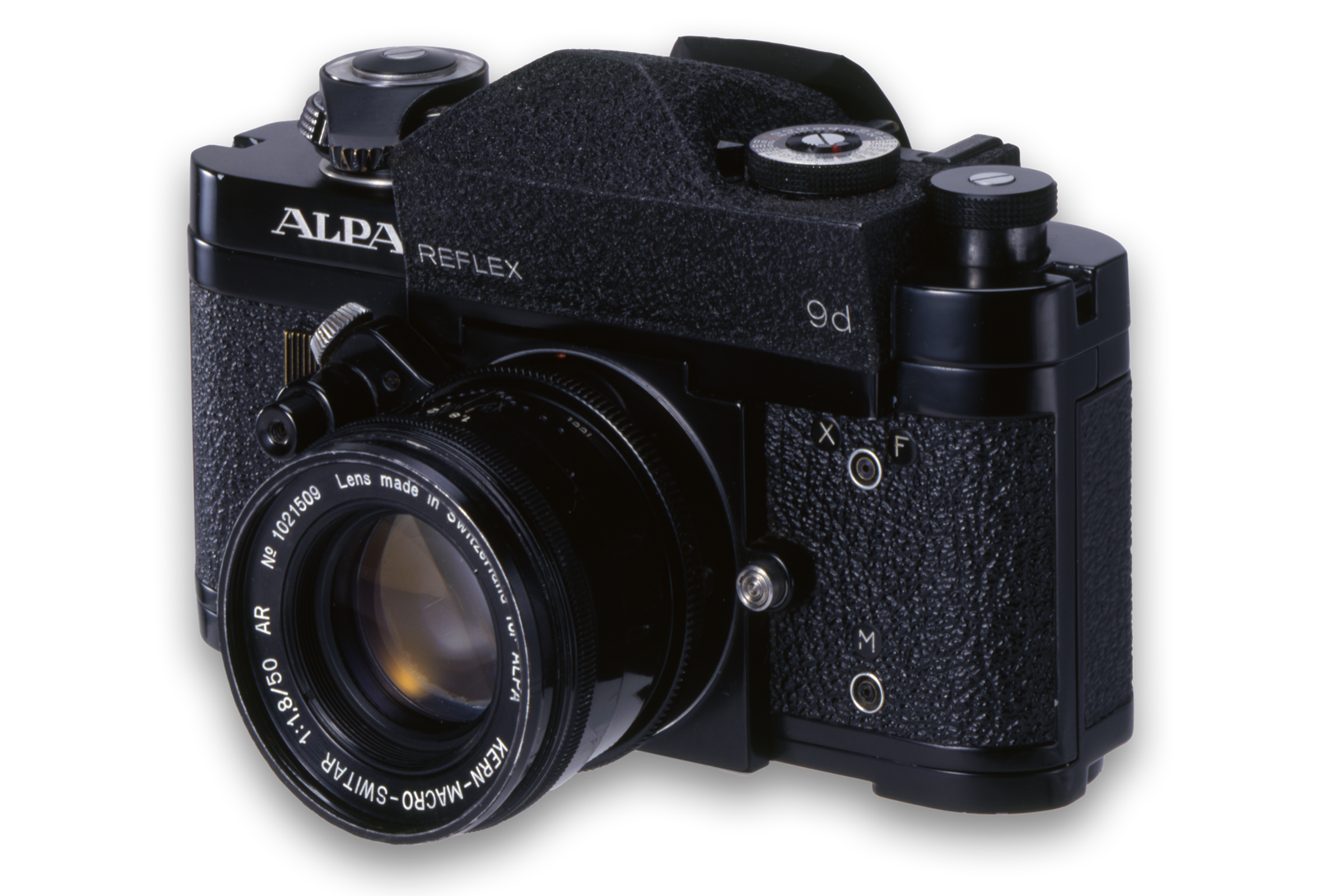
In 1964, ALPA introduced Through The Lens metering (TTL) on the Model 9d, placing the brand among the technical pioneers of precise exposure control.
For a camera built around deliberate work, this mattered. The photographer remained in command, but the instrument became more deeply integrated with the act of seeing.
1965
SMALL NUMBERS. GREAT GRAVITY.
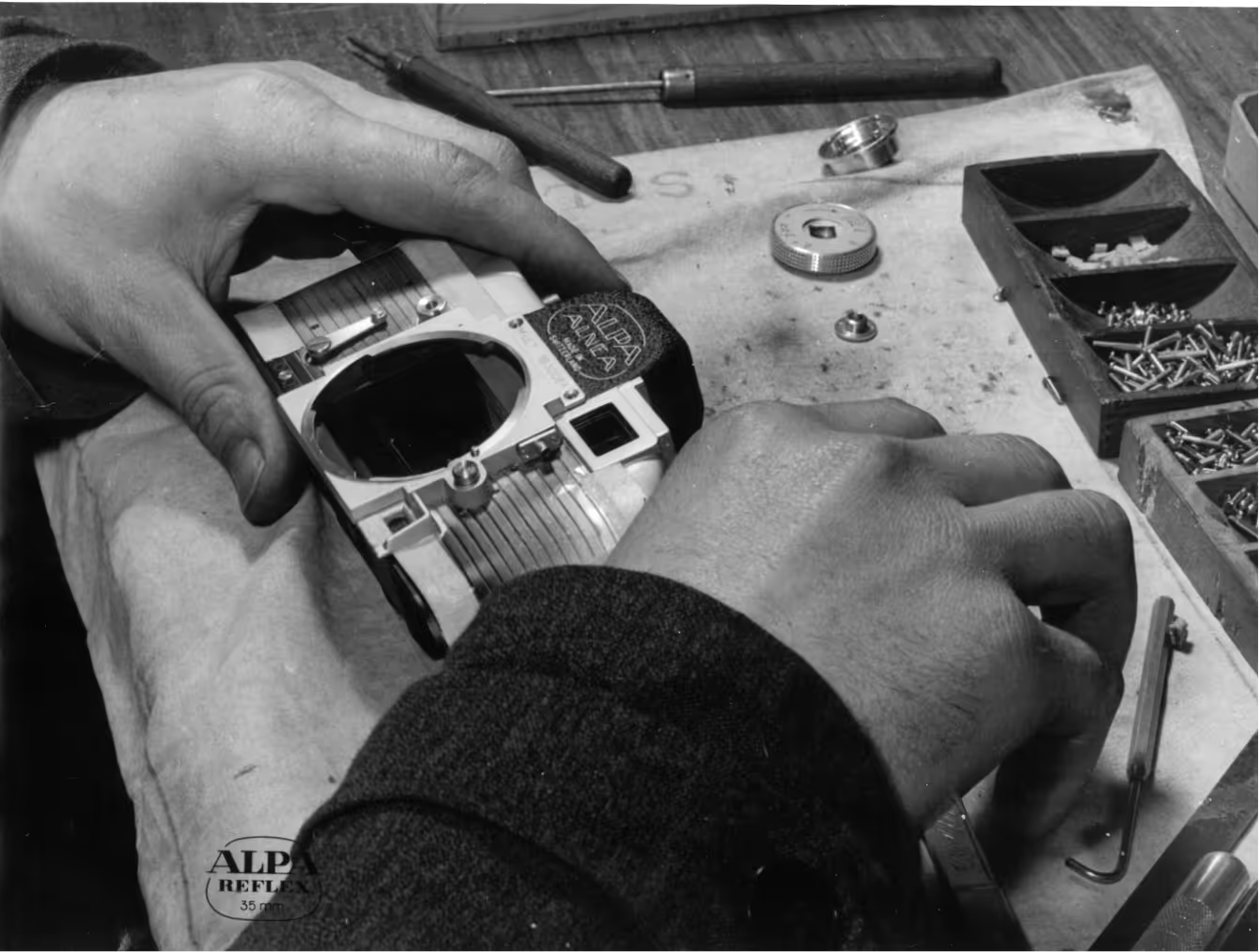
ALPA’s production remained remarkably small. Even at its peak in 1965, only around 1,300 cameras were produced.
That number says everything. ALPA was not a story of volume but a story of attention.
Each camera demanded time, skill, and patience. Each one carried the gravity of an object made by people who cared about the smallest detail.
Rarity was not a marketing idea. It was the result of how an ALPA was made.
1944-1960
TRUE RARITY
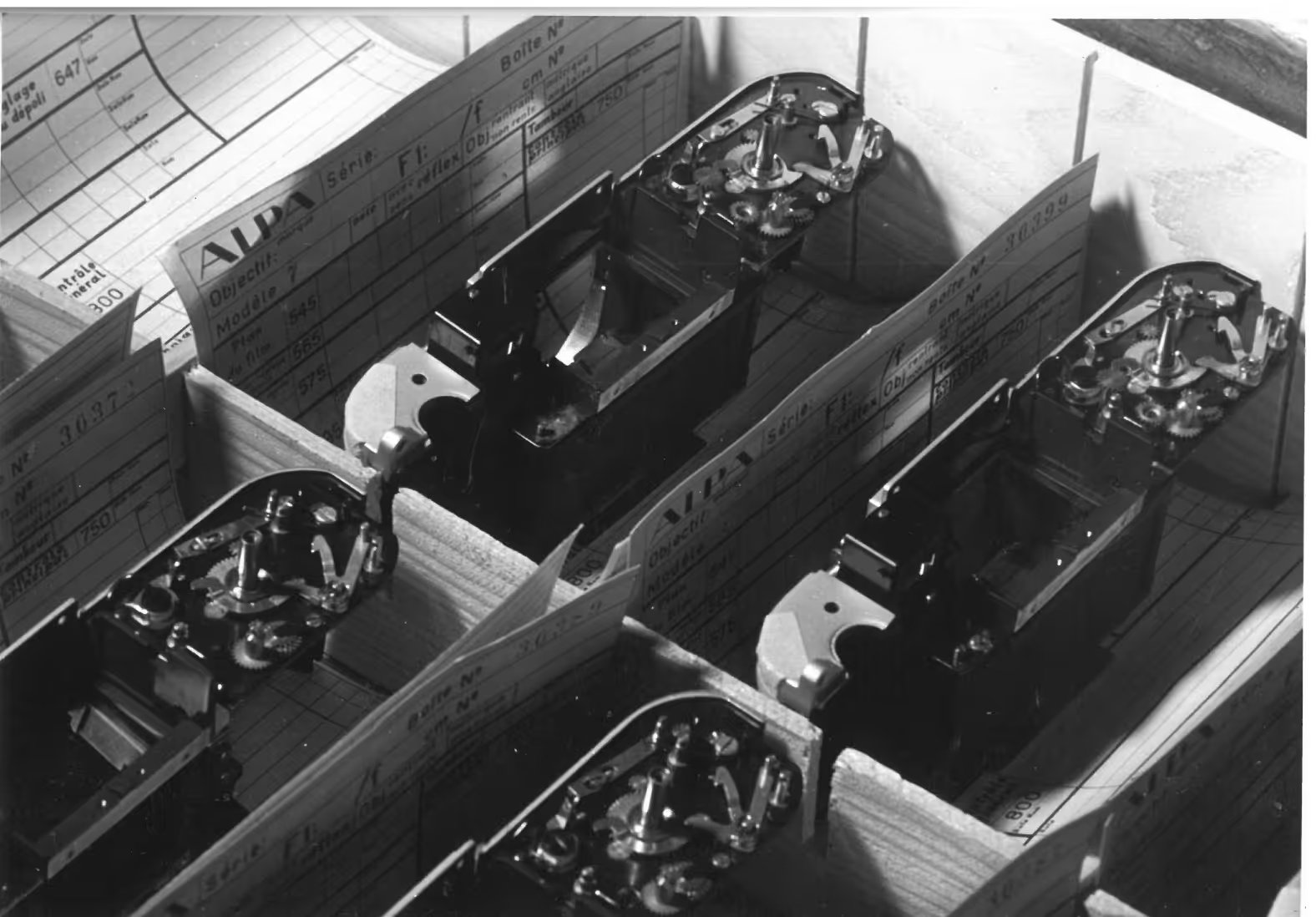
Have you ever considered the true rarity of an original ALPA Reflex camera?
Between 1944 and 1990, the entire production of ALPA cameras by Pignons SA amounted to roughly 45,000 cameras.
Across all models. A comparison with one single Leica model makes this number tangible.
Produced from 1954 to 1967, the Leica M3 alone reached around 220,000 cameras.
In just thirteen years, Leica produced roughly four to five times as many M3 cameras as all ALPA 35mm cameras combined.
1966
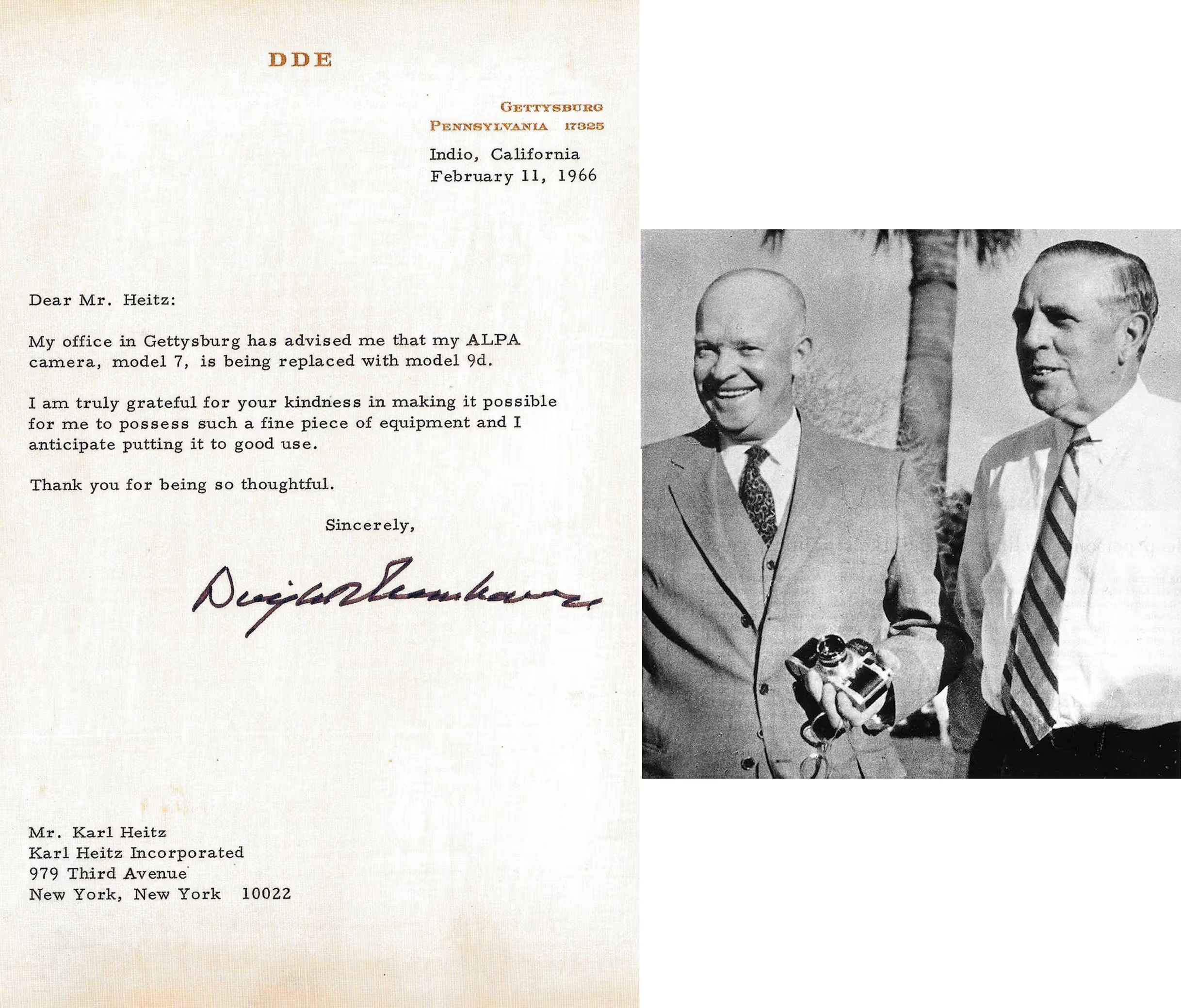
A LETTER FROM EISENHOWER
Among the distinguished owners of ALPA cameras was Dwight D. Eisenhower, Supreme Commander of the Allied Forces during World War II and later the 34th President of the United States.
Historical correspondence documents Eisenhower's ownership of an ALPA 7 camera. The letter also records that his camera was subsequently upgraded to the latest ALPA 9 model, ensuring that he benefited from the most advanced version of the system available at the time.
This exchange reflects ALPA's longstanding commitment to supporting its customers and continuously improving its cameras through technical innovation. It also highlights the international reputation ALPA had already achieved in the 1950s, attracting photographers from all walks of life - including one of the most influential statesmen of the twentieth century.
1969
PRECISION REACHES THE MOON
In 1969, Cineswitar lenses connected to the ALPA universe supported the Apollo 11 mission.
The story places ALPA in the company of instruments trusted when failure was measured in worlds, not millimetres.
In the great age of engineering courage, Swiss optical and mechanical culture had its place among the tools of exploration.
From watch benches to outer space, precision had travelled far.

1976-1989
THE LAST SWISS REFLEX
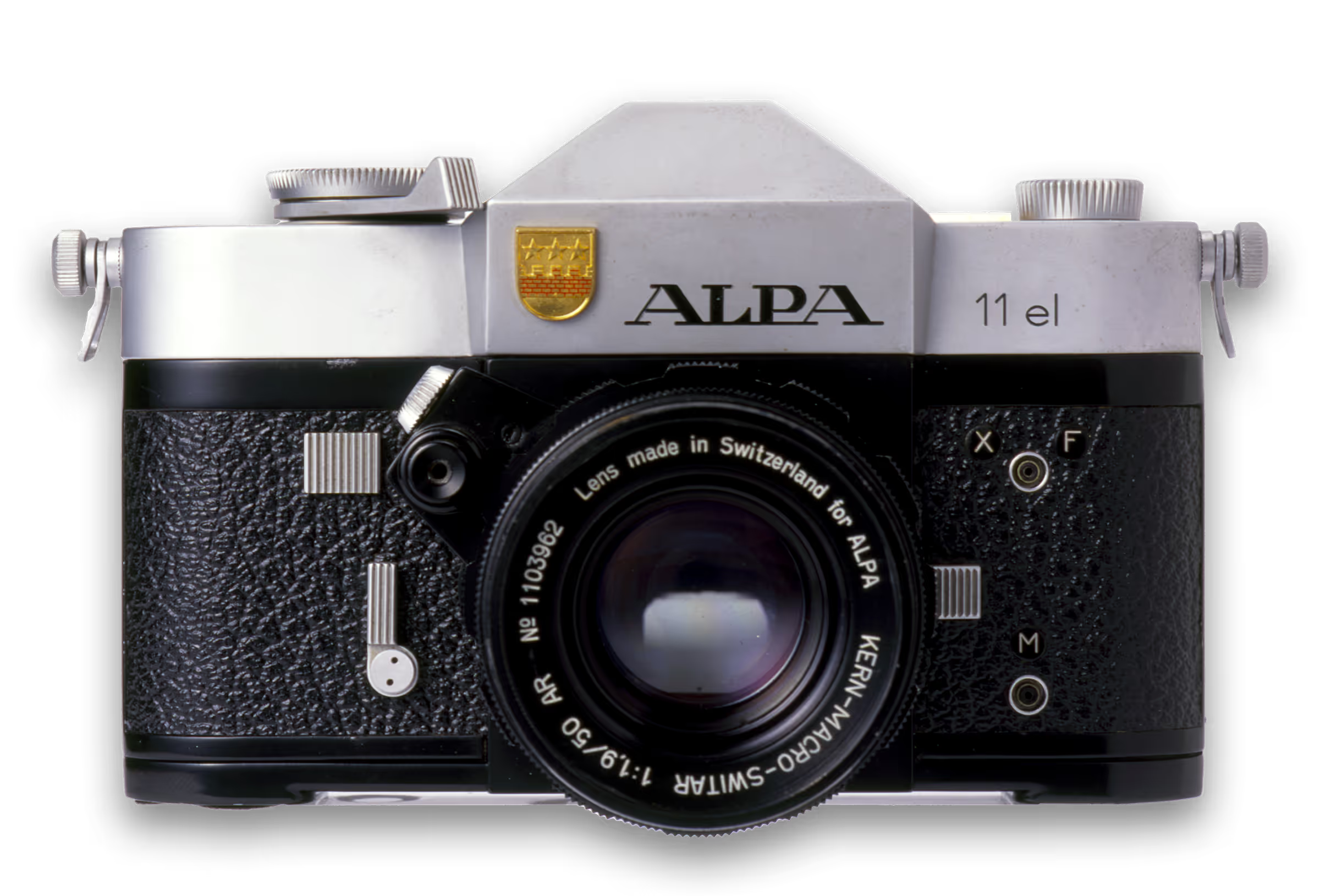
The ALPA 11 became the last and most refined expression of the Swiss made ALPA reflex era
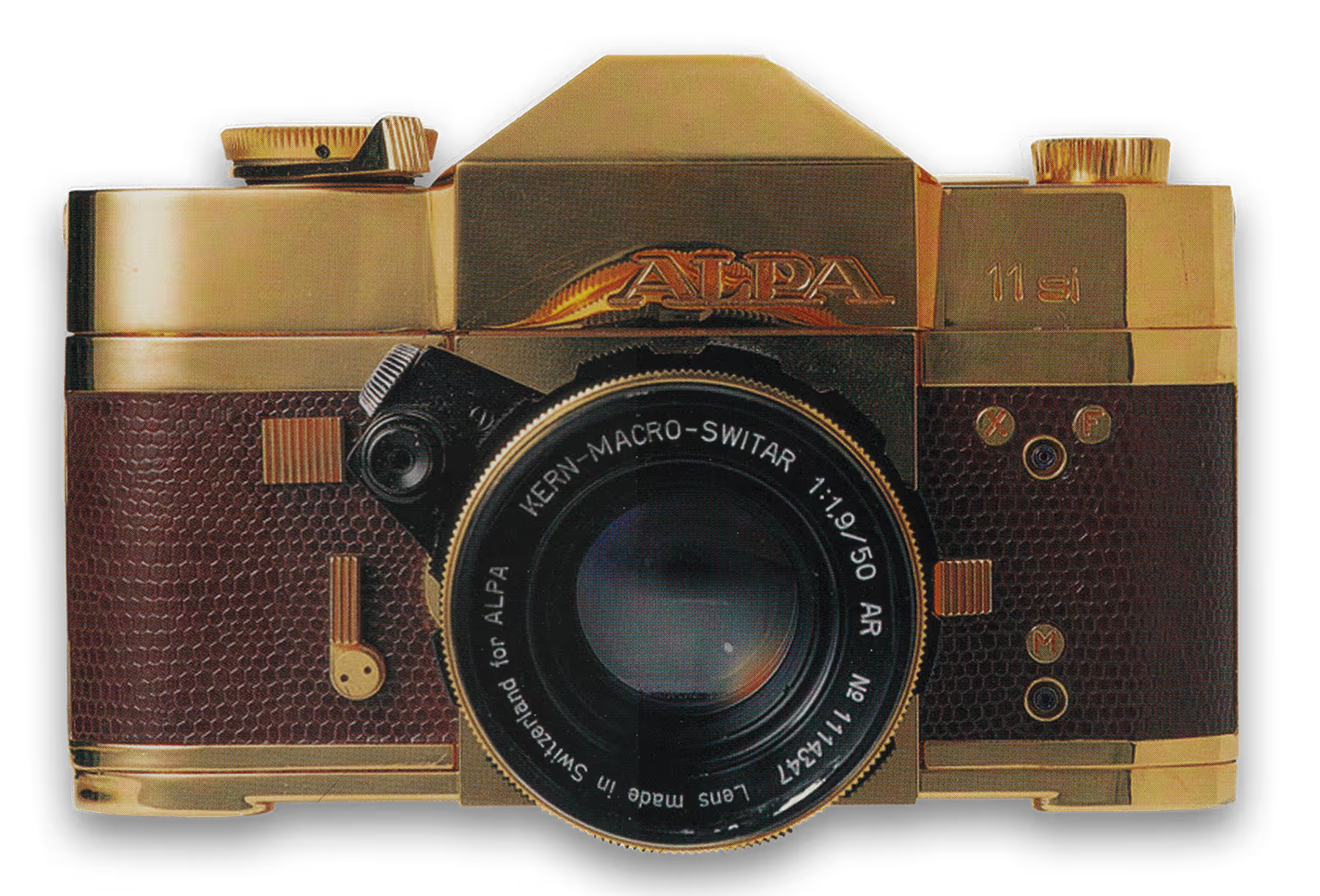
Reduced in operation, precise in construction, and produced in very small numbers, it represented the end of a particular mechanical world.
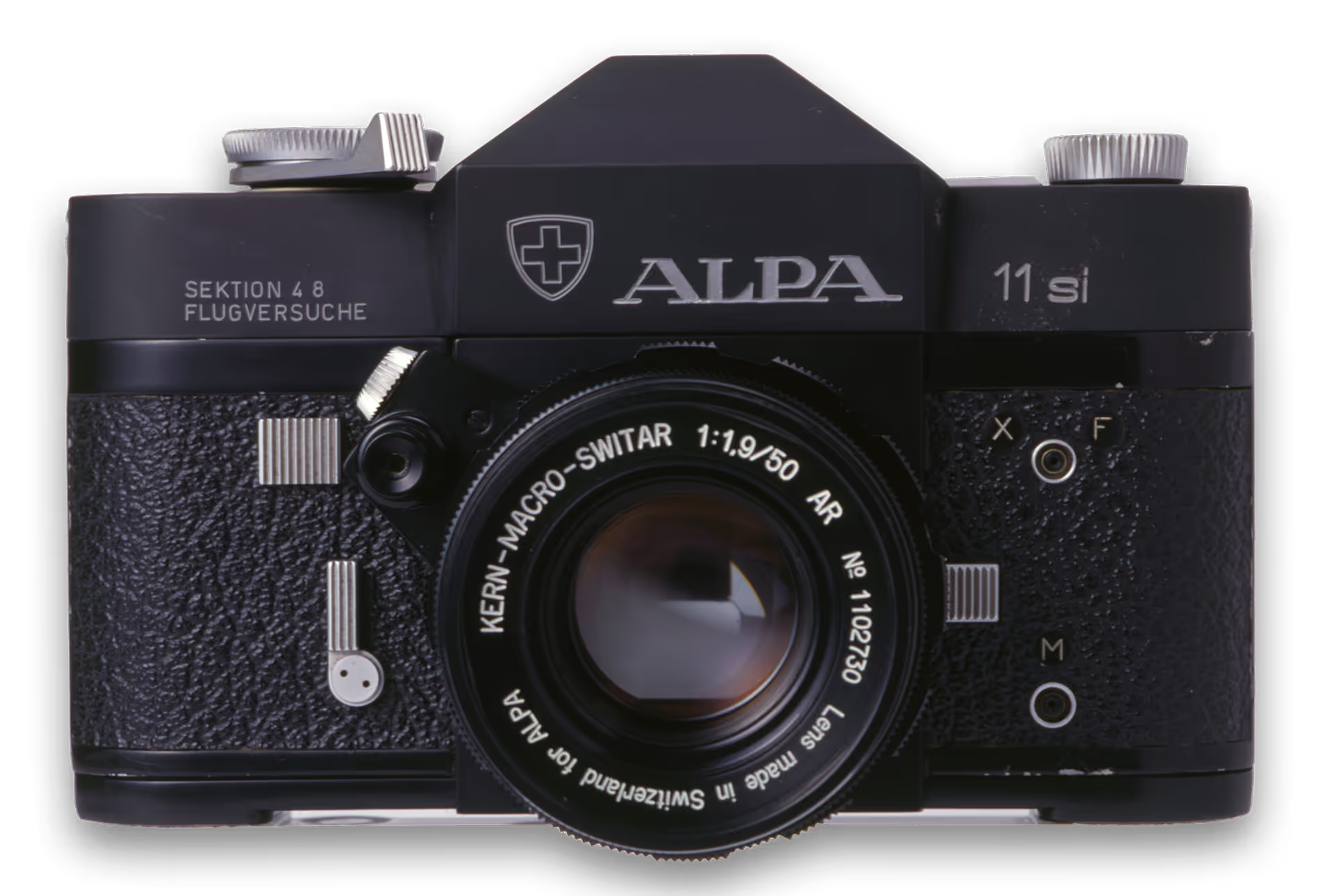
A camera that trusted the user. A tool that valued feel, timing, and presence.
1990
THE SILENCE BEFORE THE RETURN

In 1990, Pignons SA went bankrupt and the original 35 mm production era came to an end. But some names carry more than business history. ALPA had become a symbol for a different kind of camera making: precise, independent, rare, and deeply tactile. The machines remained. The collectors remained. The idea remained. And ideas with this much weight have a way of returning.
1996
THE FUTURE REMEMBERS
In 1996, Ursula Capaul and Thomas Weber brought ALPA back. At Photokina, the first ALPA 12 study appeared: modular, mechanical, radically reduced, and entirely committed to medium format photography. A new beginning with an old soul.
Instead of imitiating the past, the revived ALPA translated its values into a new photographic architecture.
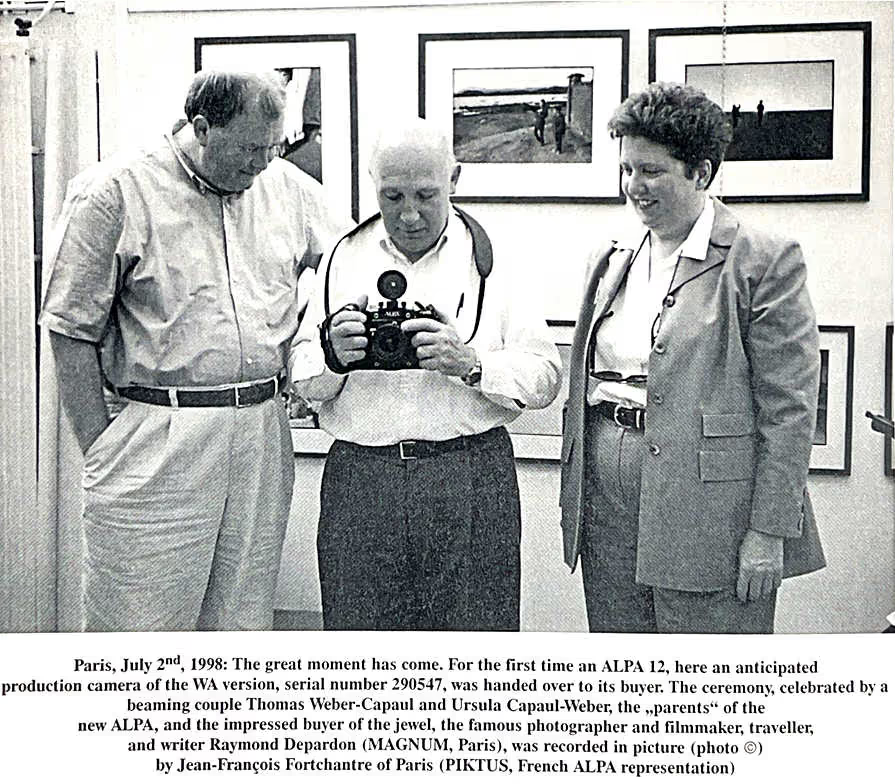
1998
THE ALPA 12 SETS THE STANDARD
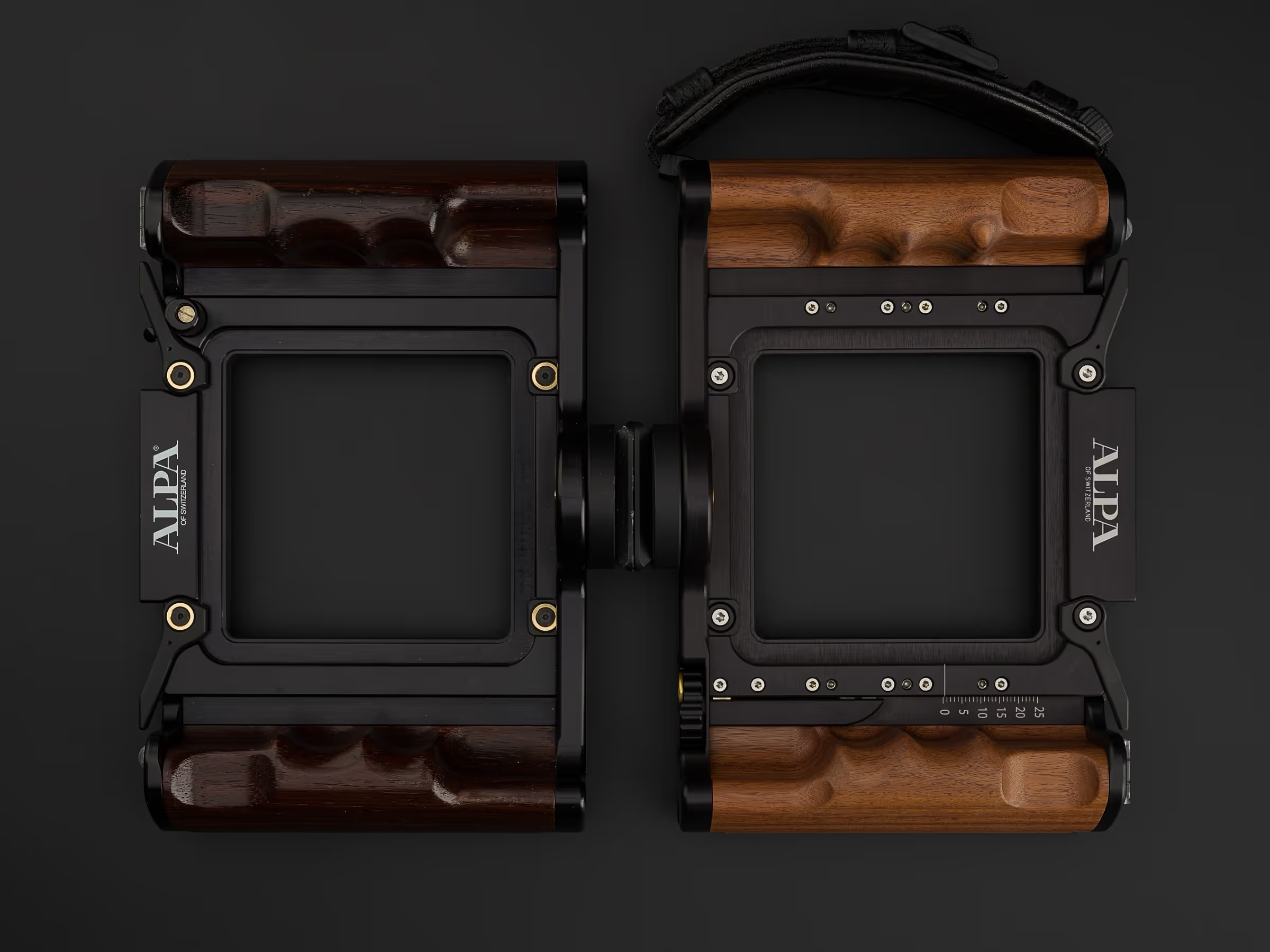
The ALPA 12 WA became the first model of the new medium format system.
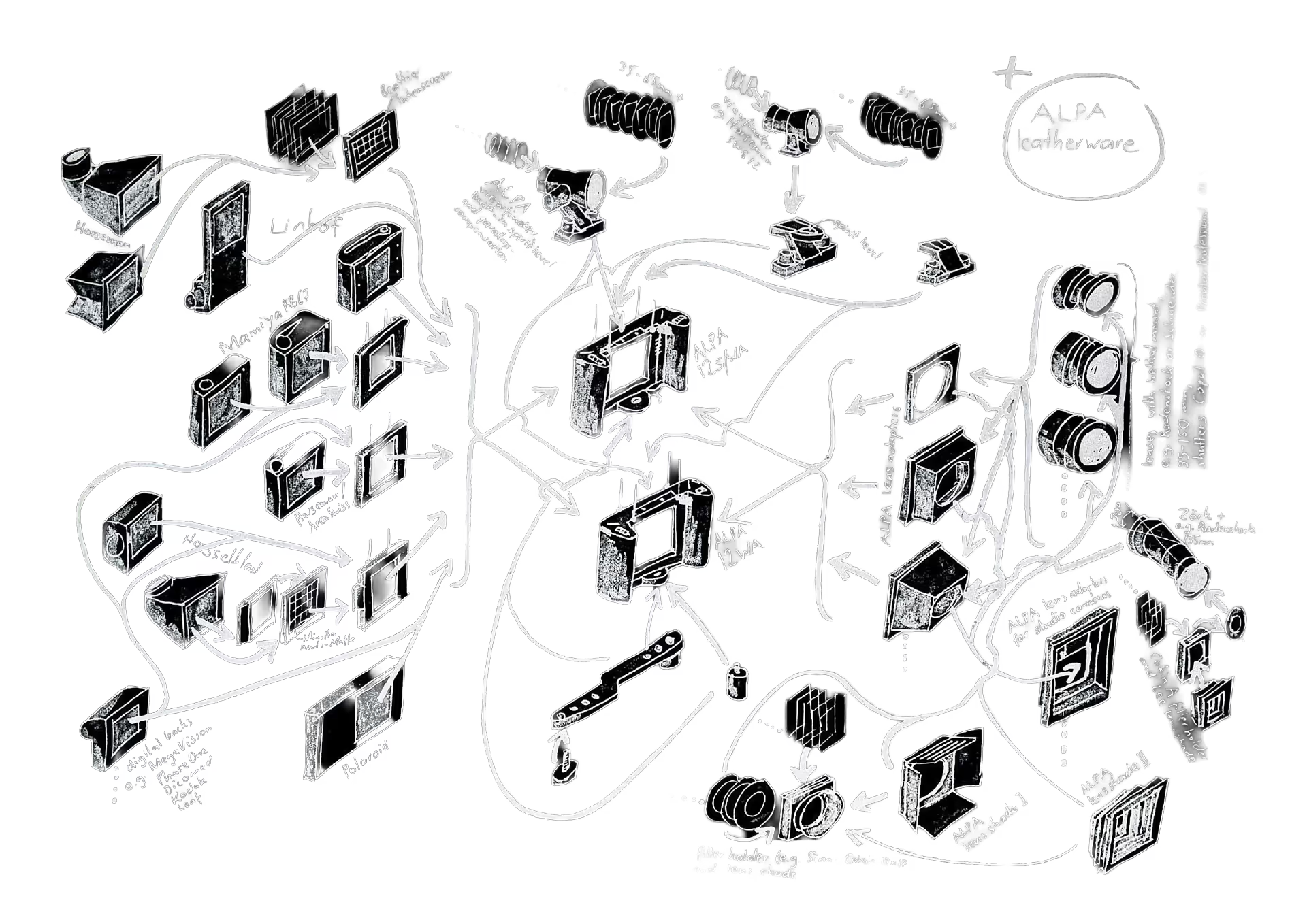
Initially built for 120/220 rollfilm and later adapted for digital backs, it established the principle that still defines ALPA today: longevity through modularity. A camera should evolve with its owner and a system should grow without erasing its past.
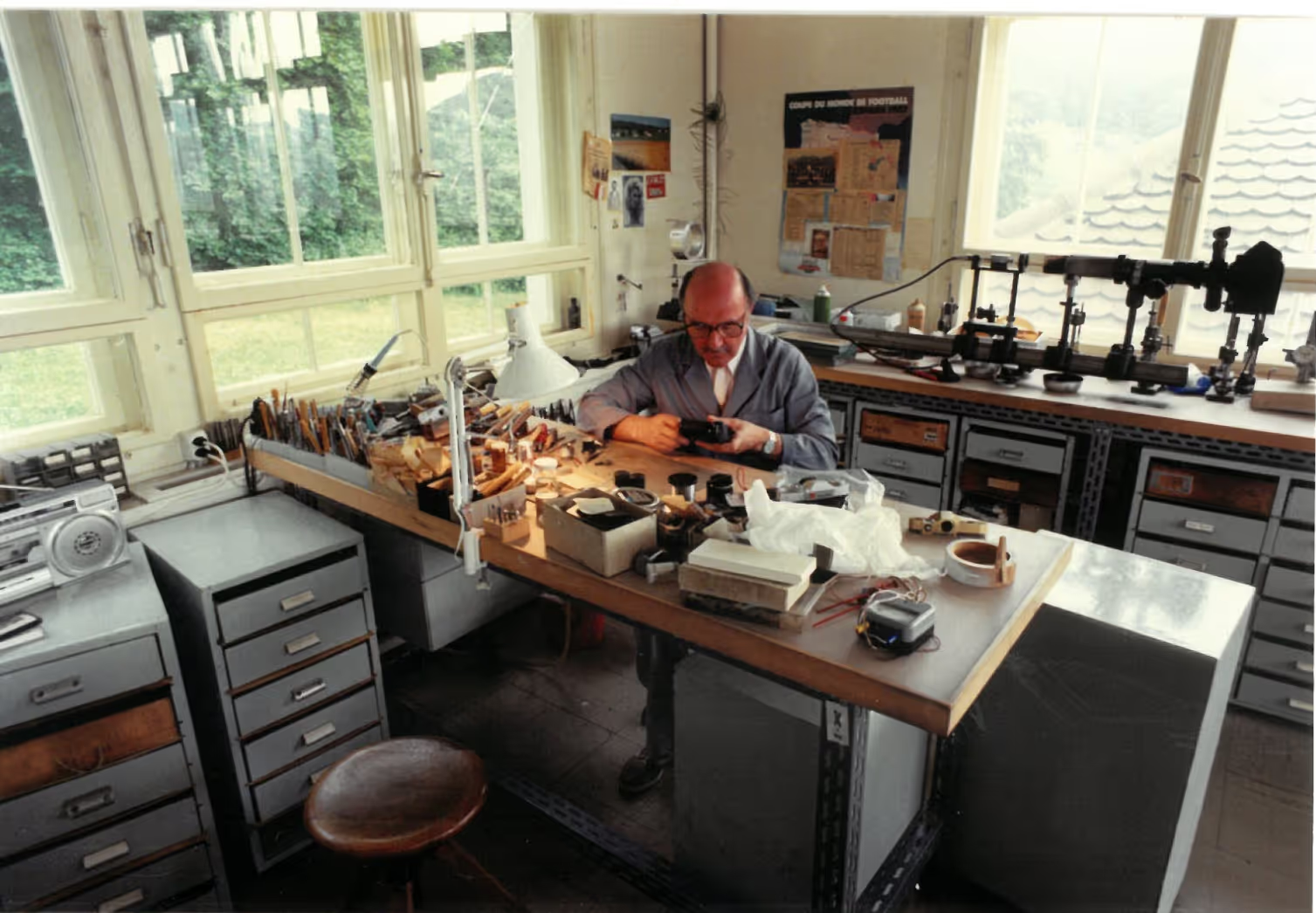
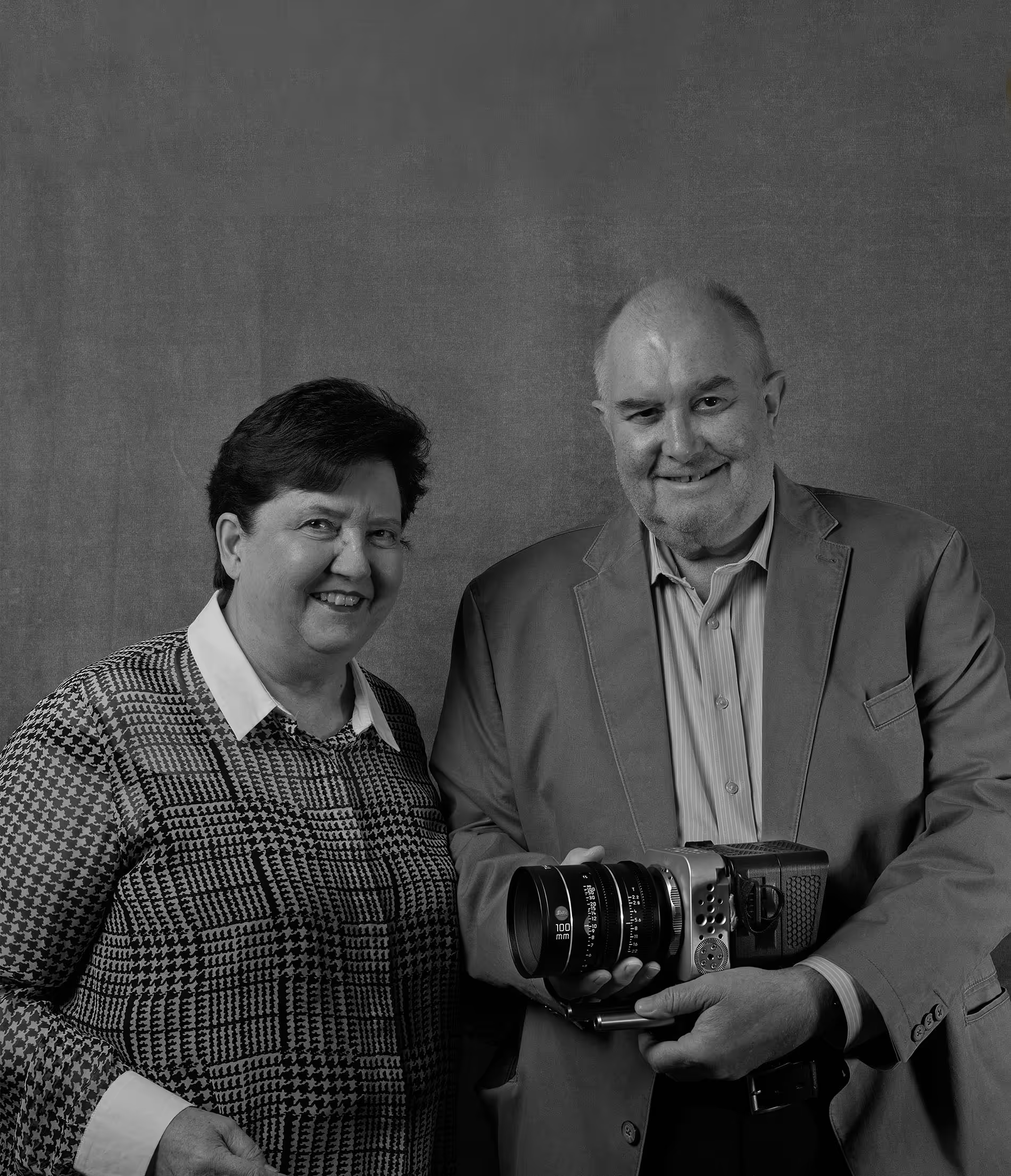
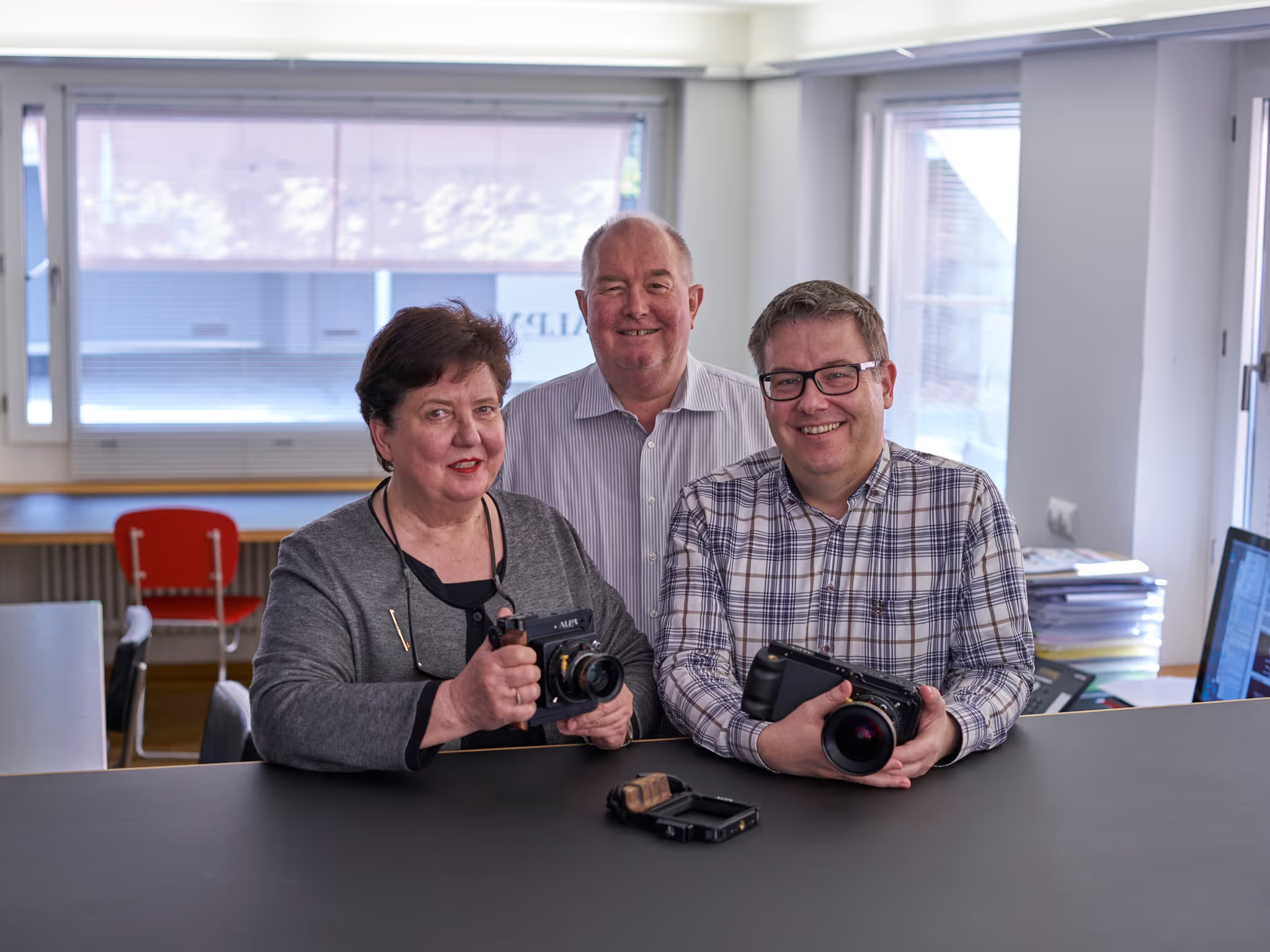
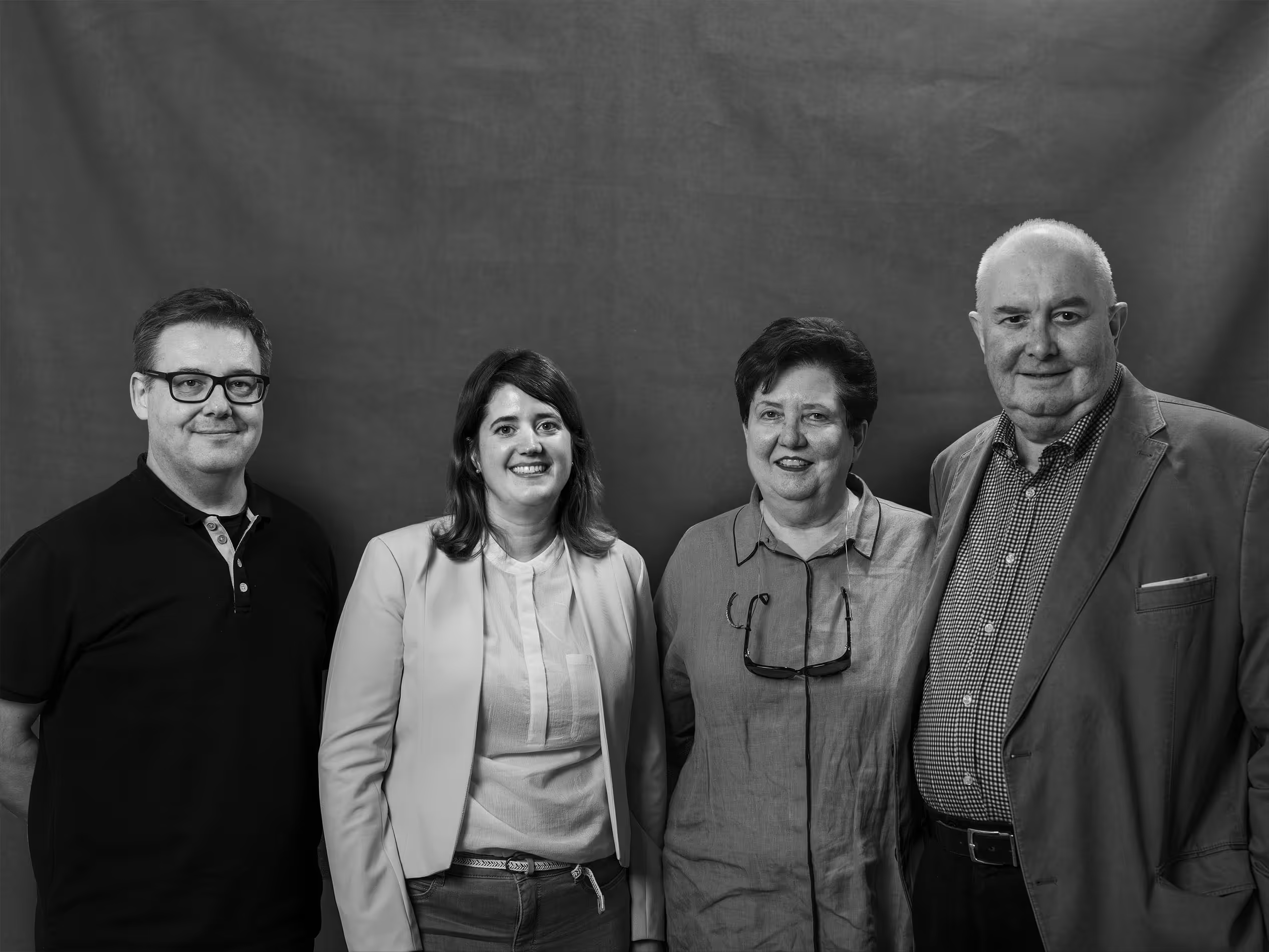
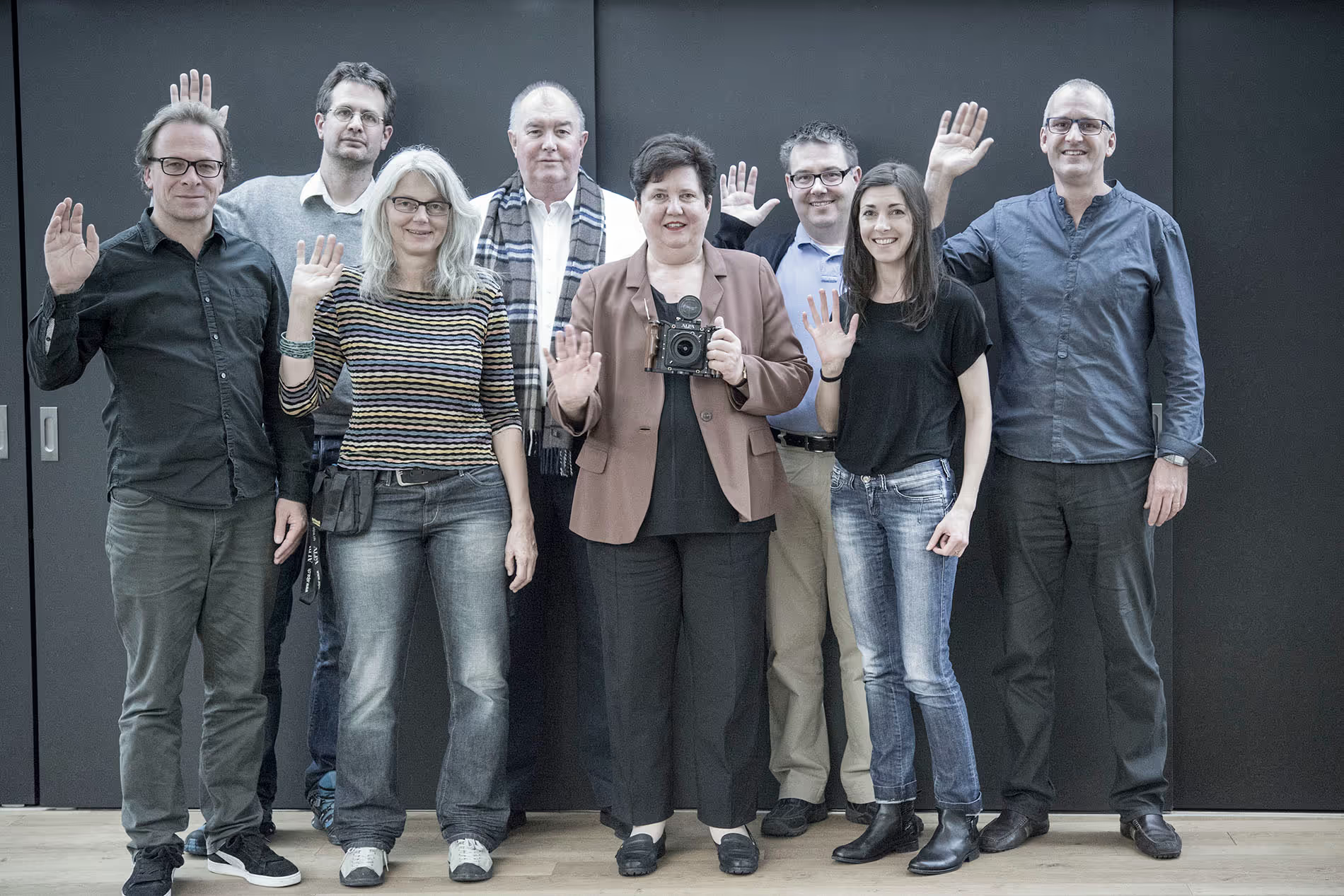

THE ALPA FAMILY
MANY HANDS AND MINDS
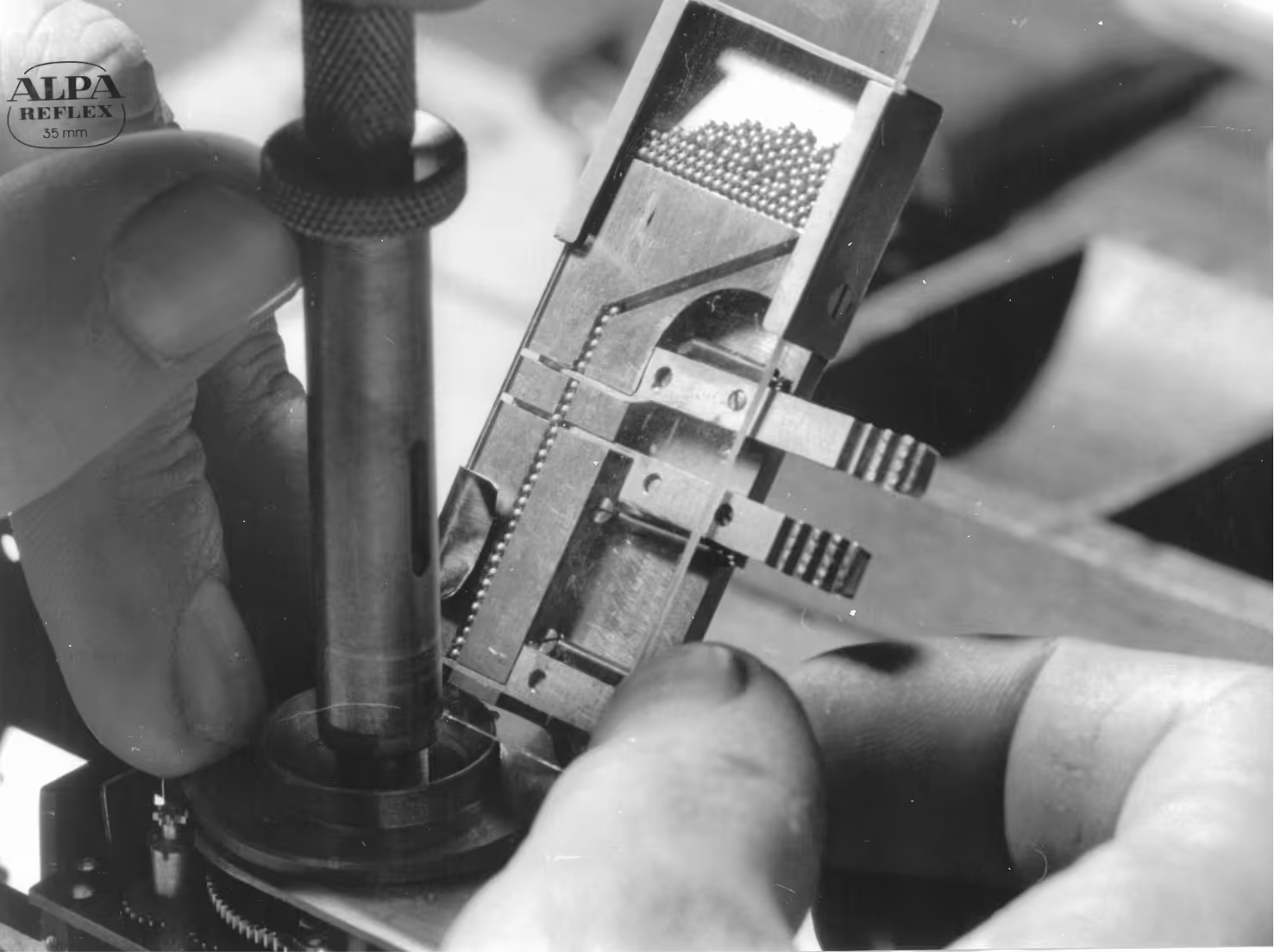
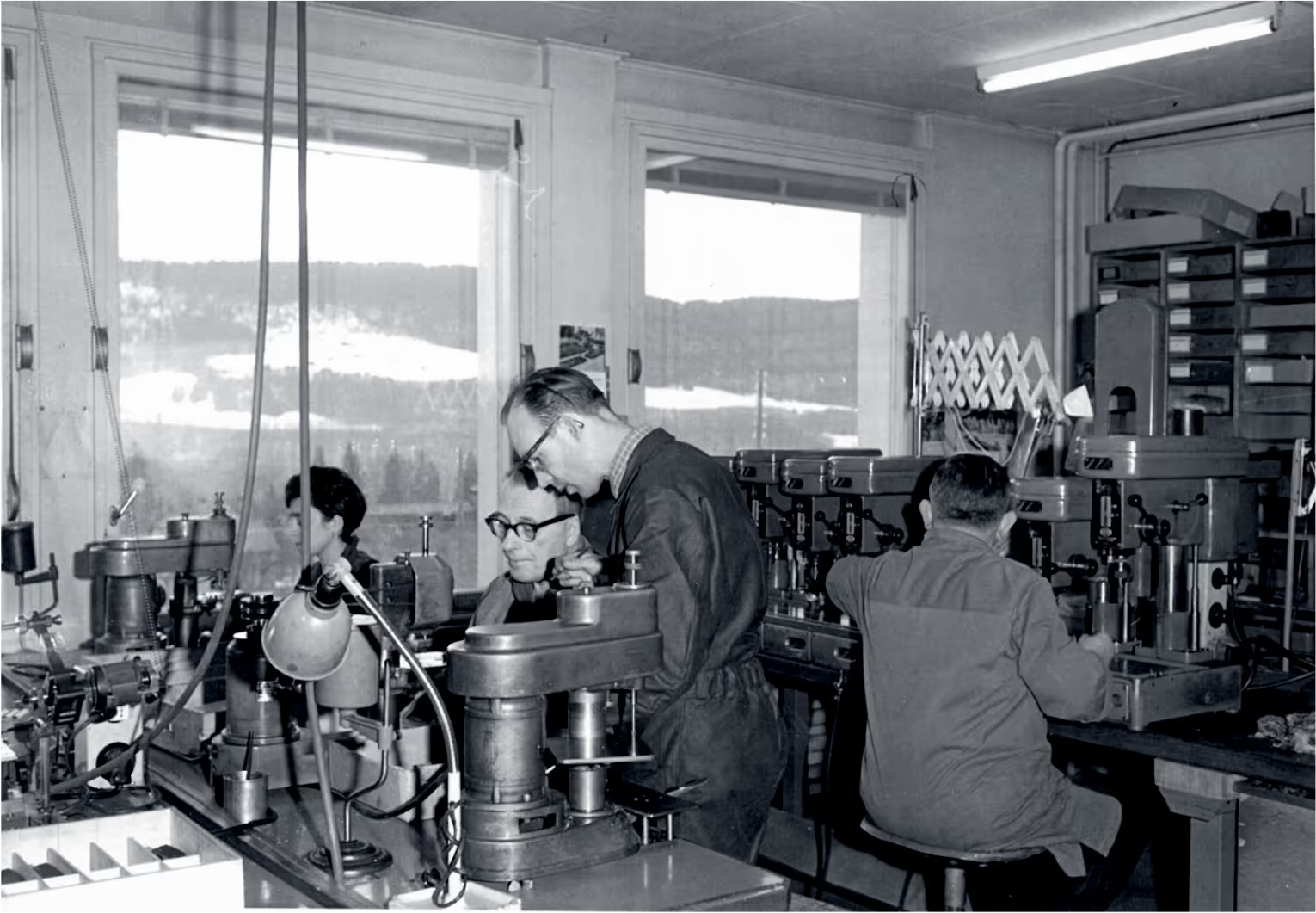
Eighty years of excellence are never the achievement of one individual - they are the result of generations of people united by a shared passion for quality, innovation, and photography.
From engineers and craftsmen to suppliers, distributors, photographers, and collectors, every ALPA camera reflects the contribution of many hands and minds.
As we celebrate our 80th anniversary, we honor everyone who has been part of the ALPA story. Together, we have shaped the past, and together, we look forward to the future.
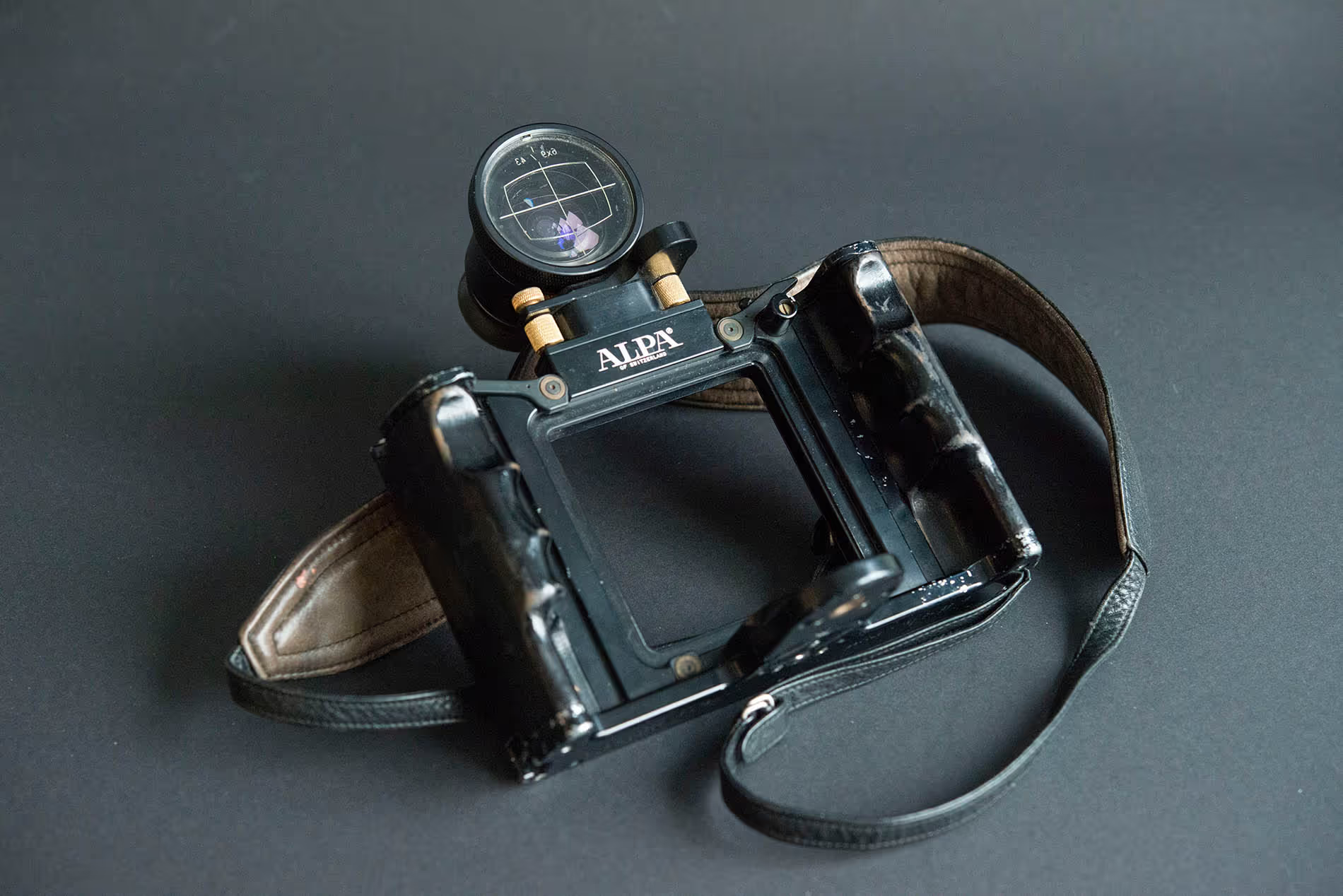
As photography entered the digital age, ALPA found its role with unusual clarity. Digital backs arrived. Sensors grew. Resolution demanded absolute mechanical truth.
ALPA’s solid bodies, exact flange distances, and modular architecture became more relevant than ever.
The world became faster. ALPA became more essential for those who wanted to slow down and make images with intention.
2020
ALPA MASTERS
From architecture to art photography – ALPA became a tool for masters. Chosen by artists who value mechanical control, and the quiet authority of precision.

2022
NEW OWNERSHIP
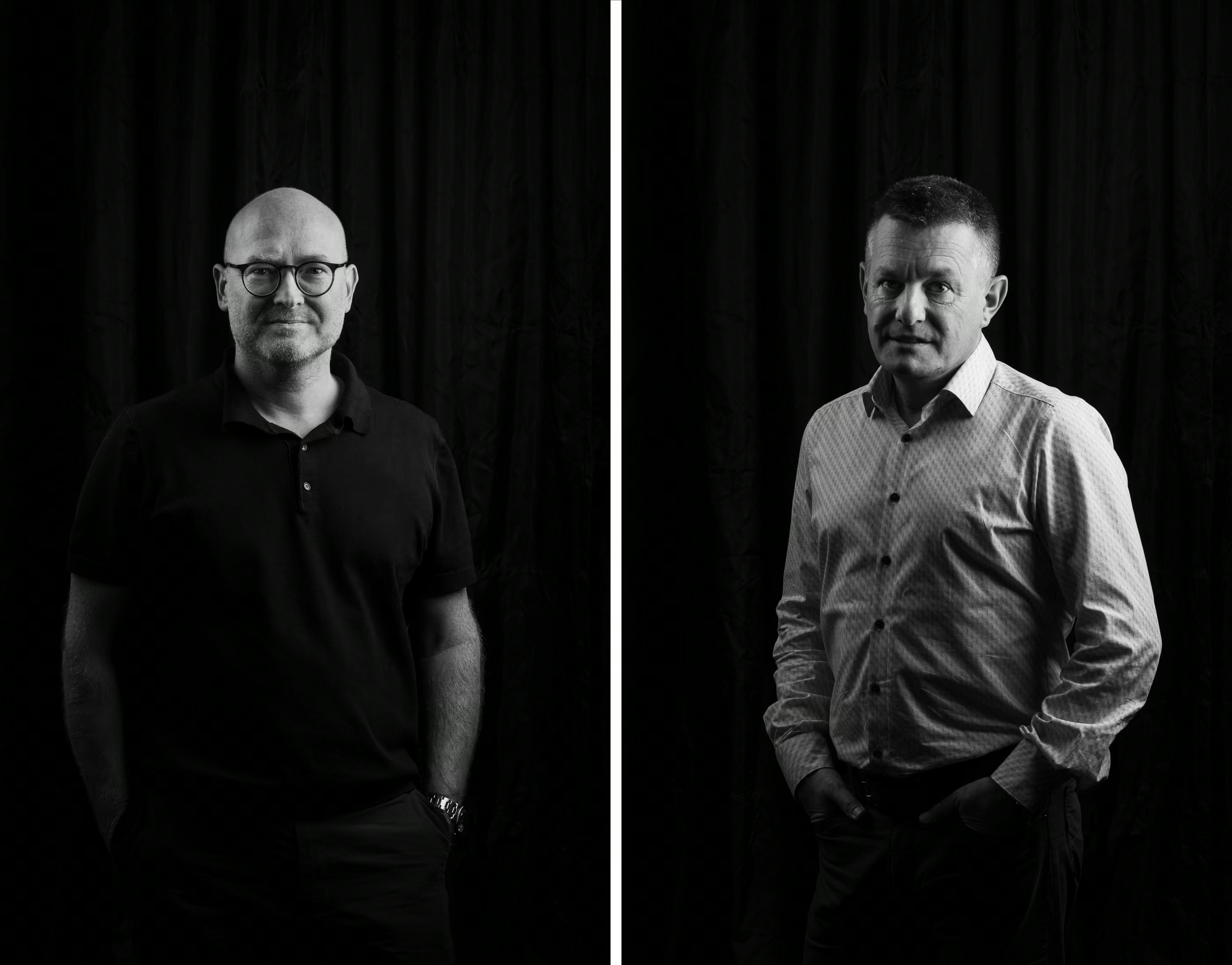
PATRICK LAMBERTZ & HANS KEIST | MANAGING PARTNERS ALPA OF SWITZERLAND
2022 Ursula and Thomas Weber-Capaul entrusted ALPA to Hans Keist, marking the beginning of a new chapter in the company's history. Their commitment ensured the continuation of ALPA's tradition of precision, innovation, and uncompromising quality.
Under Hans Keist's leadership, ALPA has continued to strengthen its position as a manufacturer of exceptional photographic tools, while remaining faithful to the values that have defined the brand for generations.
In 2025, Patrick Lambertz joined as Partner, bringing additional international experience and strategic perspective in marketing and sales, as well as a background as photographer to support ALPA's future development.
Together, the team is committed to guiding ALPA into its next era while honoring the remarkable heritage built over the past 80 years.
2022
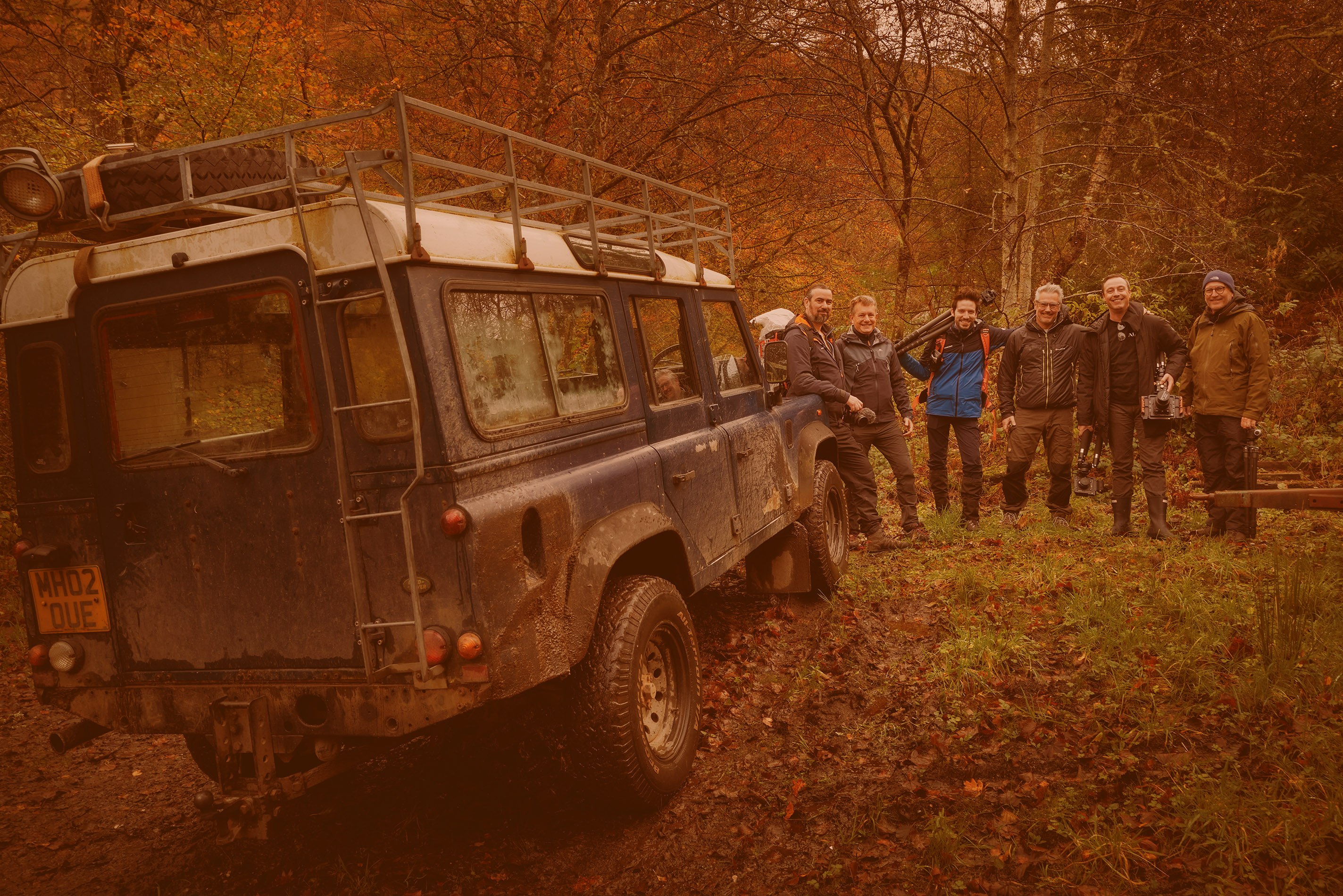
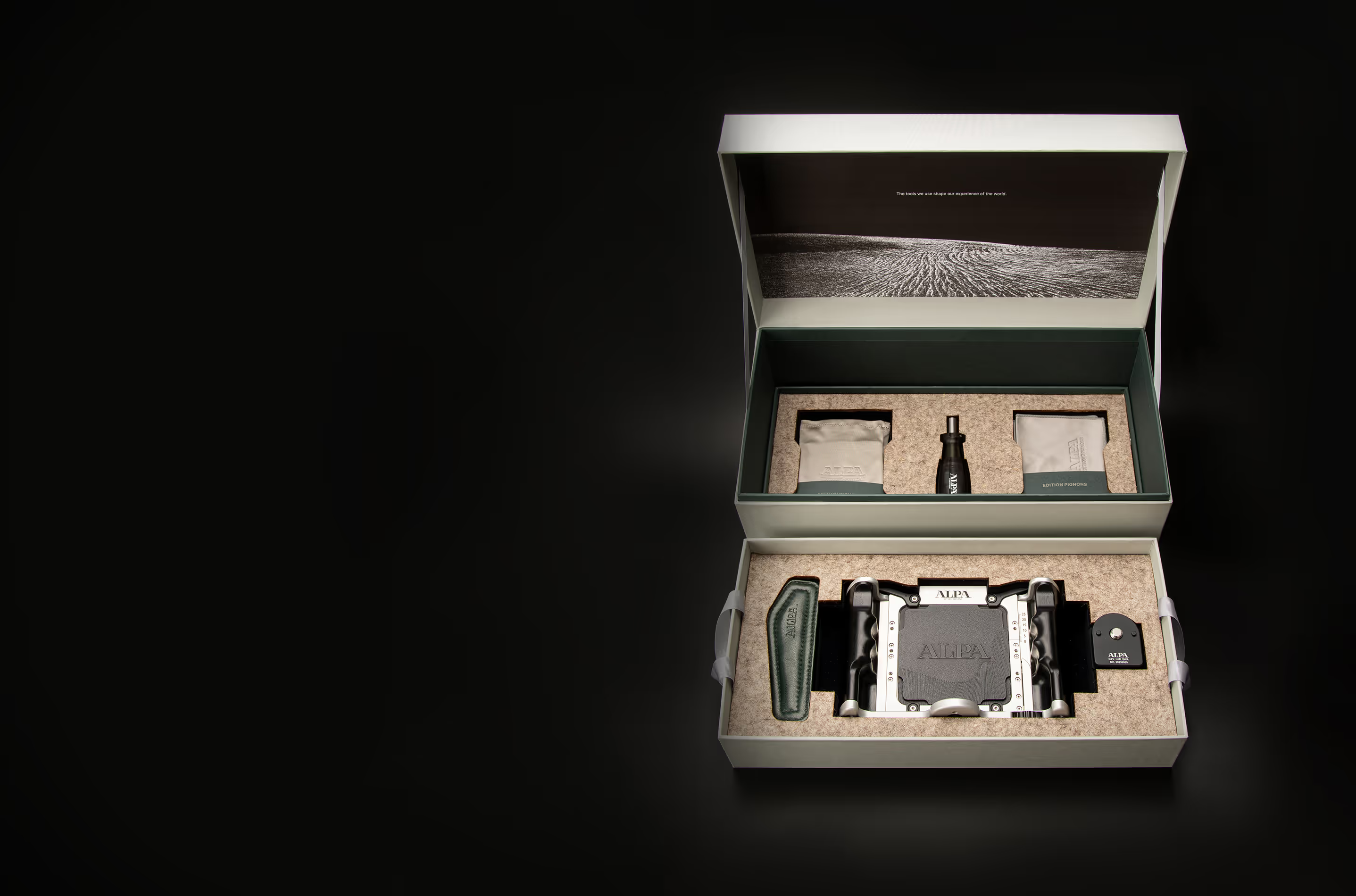
ALPA ESCAPES


2026
80 YEARS OF ALPA
Eighty years after the name was registered, ALPA continues to build cameras for people who believe that how an image is made still matters.
The modern ALPA is still Swiss Made, modular, precise, and deeply physical. It is compatible across generations, open to digital and analog workflows,and built for a long road rather than a short cycle.
For us at ALPA eighty years is a measure of endurance.
THE NEXT 80 YEARS
BEGIN IN YOUR HANDS
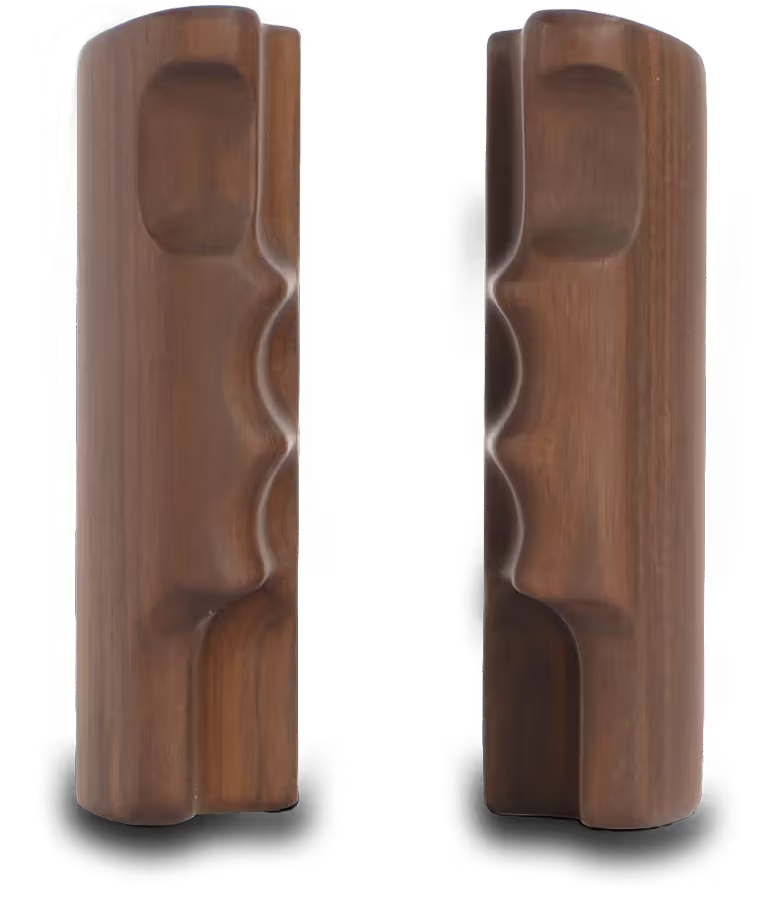
A camera represents a way of working and seeing the world. It may be a way of slowing down. A way of entering the world with more attention.
For 80 years, ALPA has shaped instruments for people who look closer. Photographers who understand that precision is not old, that craft is not old, and that mastery still has a future.
The next chapter will be written in light.


Überlandstrasse 241
8600 Dübendorf
Switzerland
Phone: +41 44 383 92 22
@2026 all rights reserved
PRECISION MEASURED IN MICRONS. PASSION MEASURED IN DECADES